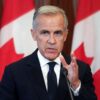























Canadian Prime Minister Mark Carney has announced retaliatory tariffs against the United States after trade negotiations between the two countries broke down, escalating tensions between the longtime allies.
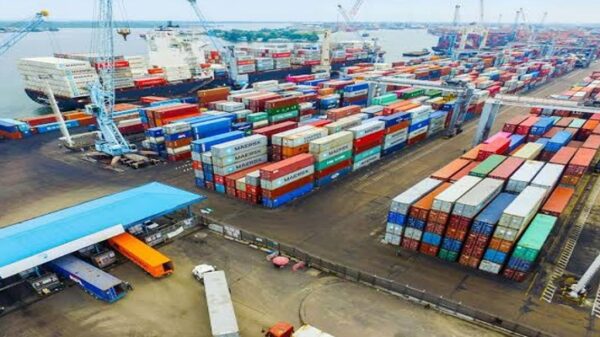
The collapse of talks on Friday paved the way for new US tariffs of up to 50 percent on about $20 billion worth of Canadian exports. The affected products include hockey sticks, cement and other goods.
Speaking in Ottawa on Saturday, Carney said Canada had entered the negotiations hoping to reach a mutually beneficial agreement. However, he said the United States introduced new conditions that were unfair and economically damaging to Canada.
“We cannot accept what they’ve offered, and we will not give what they’ve asked,” Carney said, accusing Washington of launching a trade war.
Canada’s retaliatory tariffs will target several US industries, including steel and dairy. They are scheduled to take effect on September 8, with further details expected to be announced next week.
The United States, meanwhile, said it had offered significant tariff reductions on Canadian steel, aluminum, automobiles and lumber in exchange for concessions from Ottawa. Despite the discussions, the two sides failed to reach an agreement.
The dispute comes as Canada faces growing economic pressure from US tariffs on key industries, including automobiles, steel and aluminum. The measures have contributed to job losses and increased uncertainty for businesses on both sides of the border.
Canada is particularly vulnerable to prolonged trade tensions because the United States accounts for roughly 70 percent of Canadian exports. Carney has therefore emphasized the need for Canada to reduce its dependence on the US market and expand trade with other countries.
The latest disagreement could also complicate negotiations over the United States-Mexico-Canada Agreement (USMCA), which governs much of North American trade.
Relations between Ottawa and Washington have already deteriorated over President Donald Trump’s repeated threats to make Canada the 51st US state.
Carney said Saturday that Canada had recognized from the beginning that the United States had changed, adding that the latest dispute demonstrated the need for Canada to strengthen its economic independence.
The immediate impact of the tariffs is likely to be felt most strongly by industries directly affected by the measures, but prolonged tensions could increase costs, disrupt supply chains and place further pressure on businesses and consumers in both countries.