






















Ryan Breslow, Bolt Chief Executive Officer, has defended the company’s decision to dissolve its human resources department, saying the team had been “creating problems that did not exist.”
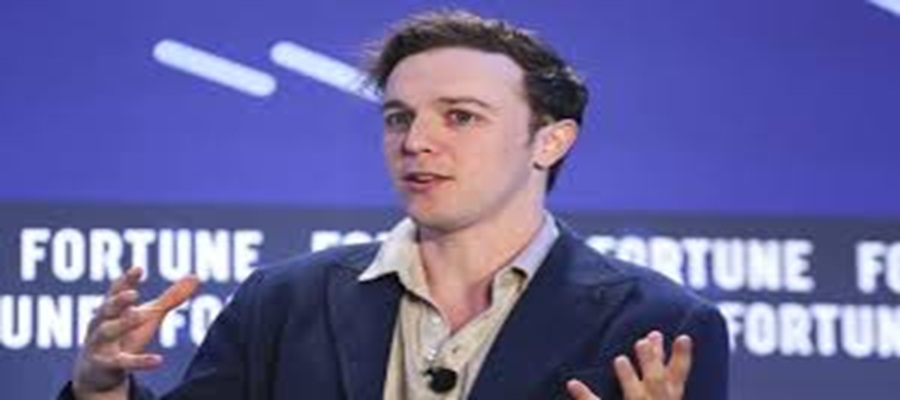
Breslow made the remarks during a recent Fortune event while explaining the company’s restructuring efforts aimed at returning the fintech firm to what he described as “start-up mode.”
Bolt, a United States-based financial technology company, reportedly laid off about 30 per cent of its workforce in April as part of its fourth round of job cuts in four years.
According to Breslow, the company replaced the former HR department with a smaller “people operations team” focused on employee training and support.
“We had an HR team, and that HR team was creating problems that did not exist.
“Those problems disappeared when I let them go,” Breslow said.
The 32-year-old executive argued that traditional HR structures were better suited for larger companies operating under stable conditions rather than fast-moving startups prioritising rapid execution and efficiency.
He said Bolt needed teams focused on delivering results rather than creating internal bureaucracy.
“We need a group of people who are very oriented around getting things done.
“There was a culture of not getting things done and complaining a lot,” he added.
Breslow also claimed that an “entitlement culture” had developed within the company before his return as CEO in 2025.
According to him, some employees were unwilling to adapt to the leaner operational structure required after the company’s downturn.
“There’s a sense of entitlement that had festered across the company.
“Ultimately, most of those people just had to be let go,” he said.
Breslow had previously stepped down from Bolt in 2022 before returning in 2025 to lead efforts to stabilise and reposition the company.
The company said fewer than 40 employees were affected by the latest layoffs, which it noted were partly influenced by the growing role of artificial intelligence in operations.
In an internal message reportedly sent to employees in April, Breslow stated that operating a technology company in 2026 required firms to become “leaner and more AI-centric” to remain competitive.
The comments have generated discussions within the technology industry about workplace culture, the future role of HR departments and the impact of artificial intelligence on corporate structures.