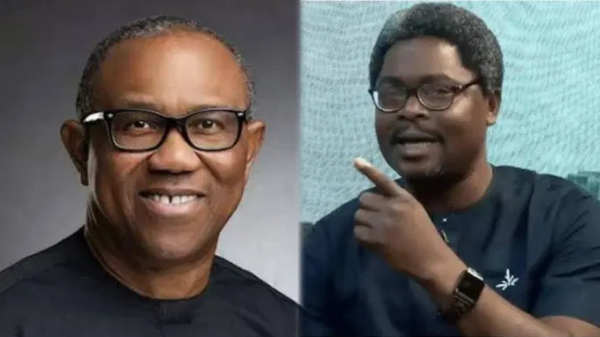




















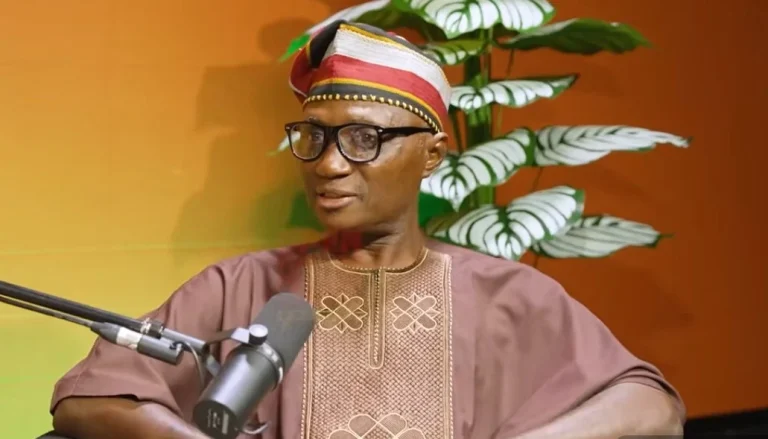
A professor at Obafemi Awolowo University, Tunji Ogunyemi, has warned that restoring petrol subsidy could leave about 15 states in northern Nigeria unable to sustain their operations within three months.
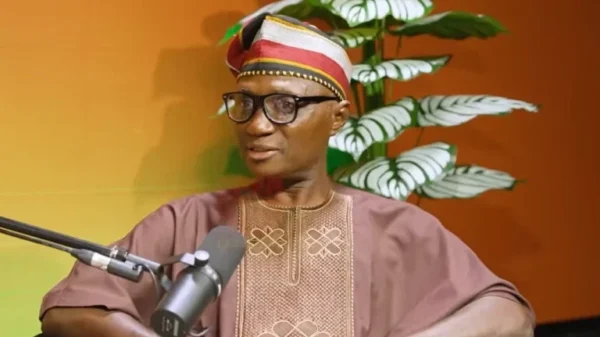
Ogunyemi issued the warning during an interview on Open Forum 360, a podcast hosted by Dare Adekanmbi, while reacting to the proposal by African Democratic Congress presidential candidate Atiku Abubakar to restore petrol subsidy if elected president in 2027.
The professor described a return to the subsidy regime as potentially “calamitous,” arguing that it would reduce the revenue available for distribution through the Federation Account, which many states depend on to fund their operations.
“I think it is calamitous, to say the least, if we reverse the subsidy regime in Nigeria in favour of returning the subsidies,” Ogunyemi said.
According to him, the Federation Account remains the financial lifeline for more than 30 states, with only a handful capable of operating without significant reliance on federal allocations.
He identified Lagos, Delta and Rivers among the states with greater capacity to generate sufficient internal revenue, while citing Taraba as an example of a state heavily dependent on federal allocations.
Ogunyemi warned that any significant reduction in Federation Account revenue could have severe consequences for states, particularly in the North.
“So if you now say reduce the accrual from the account, I tell you more than about 15 states in the north will collapse. They will collapse within three months,” he said.
He further warned that reduced revenues could make it difficult for state governments to meet their obligations to workers and pensioners.
“The second is that states will return to a regime of incapacity to pay salaries, let alone pensions,” he added.
The academic also argued that the Federal Government itself could struggle to finance both recurrent and capital expenditure if its share of national revenue declined.
He noted that between 60 and 70 per cent of federal government spending goes towards recurrent expenditure, which he described as “consumption expenditure.”
According to him, a reduction in government revenue would make it difficult for the Federal Government to meet even its basic expenditure obligations, let alone fund capital projects.
Ogunyemi also raised concerns about Nigeria’s ability to service its debts if government revenues were significantly reduced, warning that failure to meet debt obligations could damage the country’s creditworthiness and financial standing.
The professor further questioned Atiku’s subsidy proposal, suggesting that the promise could be aimed at attracting political support ahead of the 2027 presidential election.
He argued that, having served as Vice-President, Atiku should provide Nigerians with a clearer explanation of the potential consequences of restoring petrol subsidy.
Atiku initially pledged to restore the subsidy, arguing that Nigerians had not benefited sufficiently from its removal and questioning how the savings from the policy had been utilised.
He later clarified that his proposal was not a return to the former import-subsidy system. Instead, he said he favoured a targeted and capped intervention aimed at supporting domestic refining and production, with transparency and auditing mechanisms in place.
President Bola Tinubu announced the removal of petrol subsidy during his inauguration on May 29, 2023, declaring that “fuel subsidy is gone.”
The decision triggered a sharp increase in petrol prices and contributed to higher transportation and living costs across the country.
The Federal Government has maintained that subsidy removal was necessary to reduce fiscal pressure and free up resources for development across the different tiers of government.
The Ministry of Finance said the reforms generated an estimated ₦15.8 trillion in resources for the Federation between June 2023 and December 2025.