






















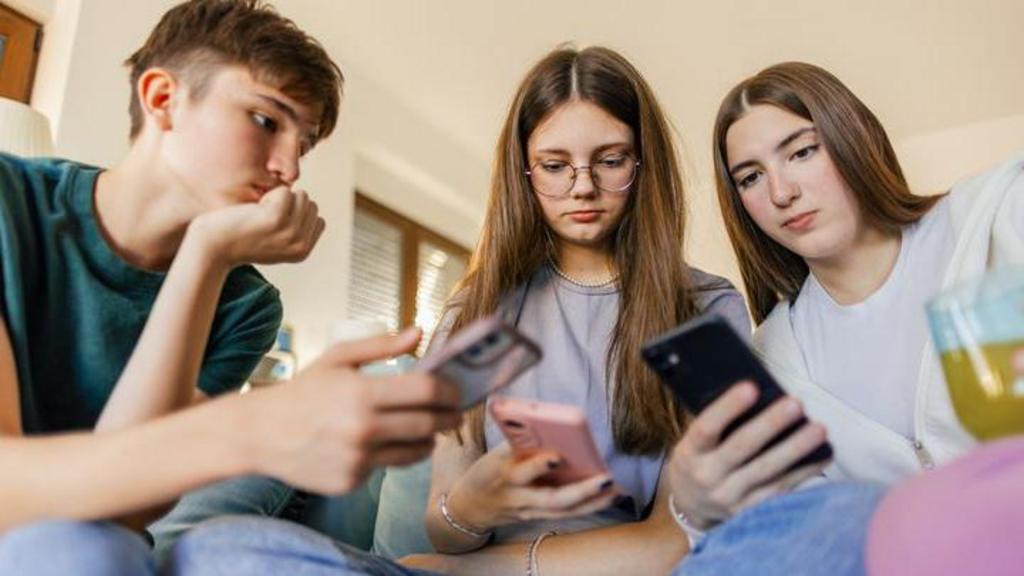
British Prime Minister Sir Keir Starmer has announced plans to ban children under the age of 16 from accessing major social media platforms, describing the move as necessary to protect young people from online harm.

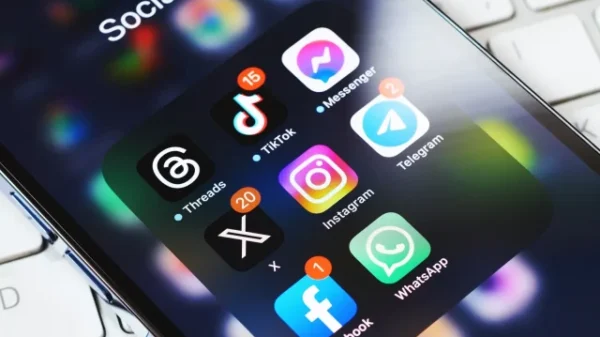
The proposed restrictions will apply to platforms including TikTok, Instagram, Facebook, Snapchat, YouTube and X.
Messaging services such as WhatsApp and Signal will not be affected by the measures.
In a recorded video message released on Monday, Starmer said the government was taking decisive action in response to growing concerns about the impact of social media on children’s wellbeing.
“It’s a big step for our country. Social media is making our children unhappy and unsafe, and as a parent, as much as a Prime Minister, I just can’t let that go on anymore,” he said.
The announcement follows a national consultation conducted between March and May, which received more than 116,000 responses on children’s use of technology.
According to the findings, more than 83 per cent of parents believed the risks associated with social media outweighed its benefits, while 90 per cent supported setting 16 as the minimum age for accessing social media platforms.
The British government said legislation would be introduced before Christmas, with the protections expected to come into force next spring.
Under the proposed framework, children under 16 will also be prevented from using livestreaming features and from communicating with strangers on affected platforms.
Starmer acknowledged that implementing age restrictions would be challenging but said the government had carefully reviewed available evidence and lessons from other countries before deciding to proceed.
“It’s not an easy thing to do. We haven’t rushed into it. We’ve looked carefully at the evidence and will continue adapting our approach as technology changes,” he said.
The Prime Minister also signalled a willingness to confront major technology firms that may oppose the policy.
“We will take them on, and we will win, because the need for action could not be any clearer,” he added.
The move comes amid increasing global efforts to regulate children’s access to social media.
Last year, Australia became the first country to enact legislation restricting access to major social media platforms for children under 16.
However, Australian authorities have reported enforcement challenges, with a recent study indicating that many children continued to maintain accounts despite the restrictions.
Alongside the proposed ban, the British government announced a £132.5 million “Every Child Can” programme aimed at expanding access to sports, arts and nature-based activities in schools and local communities as alternatives to excessive screen time.
The initiative follows recent calls by the government for technology companies, including Apple and Google, to strengthen safeguards preventing children from taking, sharing or viewing nude images online.
The government said the measures were designed to combat online exploitation, reduce children’s exposure to harmful content and improve online safety.
Meanwhile, social media companies in the United States continue to face legal challenges alleging that their platforms contributed to mental health problems among young users and failed to adequately protect children from online predators.
Supporters of stricter age-verification requirements argue that they are necessary to shield children from harmful online content, while critics have raised concerns over privacy, data protection and freedom of expression.