

























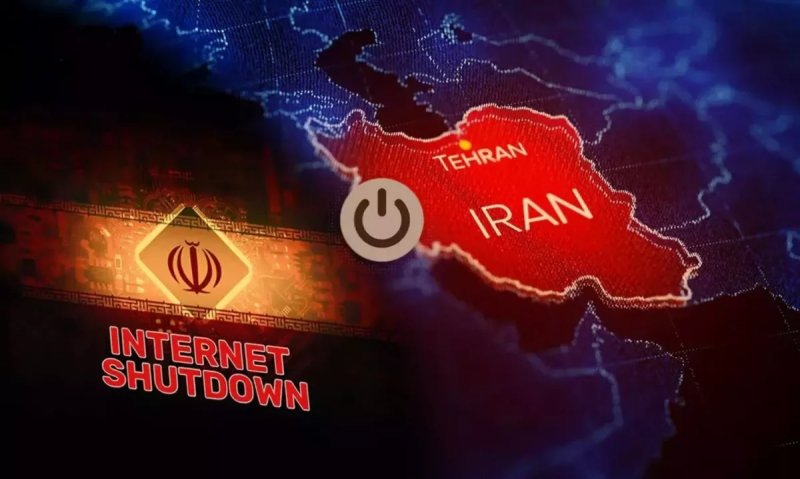
Iran’s President, Masoud Pezeshkian, has ordered the reopening of international internet access after nearly 90 days of nationwide blackout imposed amid tensions involving the United States and Israel.
Iranian state media reported on Monday that the directive followed months of severe internet restrictions that left millions of citizens disconnected from the global web.
According to reports, most Iranians had been unable to access international internet services for about 87 days, with only a limited number of users relying on expensive Virtual Private Networks (VPNs) to bypass restrictions.
Authorities initially imposed the blackout on Jan. 8 following widespread anti-government protests before connections partially returned in February. However, restrictions were tightened again after the outbreak of hostilities involving the U.S. and Israel on Feb. 28.
State media quoted officials in Iran’s Communications Ministry as saying the presidential order was aimed at restoring internet access to conditions that existed before January.
However, details regarding the timeline and mechanism for fully reconnecting the country to the global internet remain unclear.
Internet monitoring group NetBlocks described the shutdown as one of the longest nationwide internet disruptions in recent history, warning that the blackout severely affected businesses, communication, and online services across the country.
Despite the reopening order, analysts note that internet access in Iran remains heavily censored, with authorities continuing to restrict access to many foreign websites and digital platforms while promoting reliance on a state-controlled intranet system.