























Federal Government is set to inject a cumulative 60.82 megawatts (MW) of solar-generated electricity into the national grid as it intensifies efforts to improve power supply and expand access to renewable energy across the country.
The latest addition comes with the commencement of the construction of a 13.92 megawatt-peak (MWp) interconnected hybrid solar mini-grid project in Yobe State.
Before the Yobe project, the government had developed 46.9MW of renewable energy infrastructure across five states.
The projects include a 20MW interconnected mini-grid in Egume, Kogi State, an 11.9MWp solar project in Ogu-Bolo, Rivers State, and a 10MW installation in Kofare, Adamawa State.
The Federal Government also commenced renewable energy projects comprising a 3.5MW mini-grid in Ambursa, Kebbi State, and a 1.5MW project in Pankshin, Plateau State.
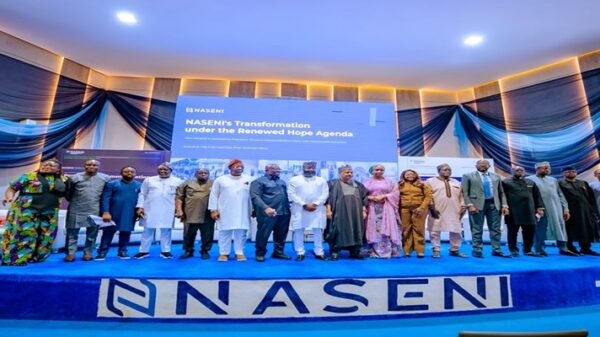
Speaking on the initiative, Abba Abubakar Aliyu said the interconnected hybrid mini-grids were designed to integrate seamlessly with existing electricity distribution networks.
According to him, the projects will not only improve electricity supply but also stimulate economic activities in underserved communities.
“We are creating an environment where businesses can grow, young people can innovate, farmers can process more of what they produce, healthcare facilities can provide better services, and local economies can flourish,” he said.
Aliyu noted that the interconnected mini-grid model would strengthen electricity access while supporting the national drive toward cleaner and more sustainable energy solutions.
Nigeria has for decades struggled to generate more than about 6,000MW of electricity despite having a population of over 250 million people, making renewable energy a key component of efforts to bridge the country’s electricity deficit.
The expansion of solar-powered mini-grids is expected to enhance energy access in rural and underserved communities, reduce dependence on fossil fuels and improve the reliability of power supply for homes, businesses and public institutions.