


























Independent Corrupt Practices and Other Related Offences Commission (ICPC) said Nigeria accounts for 20 per cent or 10 billion dollars (N3.8 trillion) of the estimated 50 billion dollars that Africa loses to Illicit Financial Flows (IFFs).
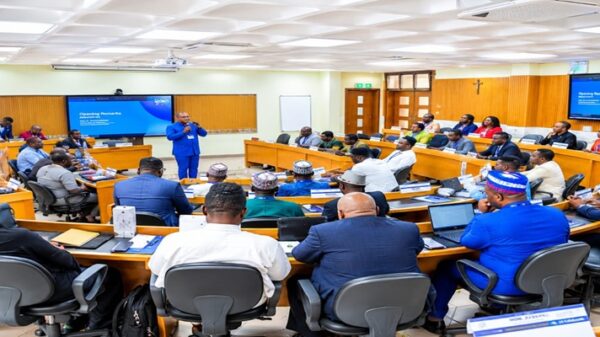
Mrs Azuka Ogugua, spokesperson for ICPC, in a statement released in Abuja on Friday, quoted the Prof. Bolaji Owasanoye, chairman of ICPC, as stating this during a virtual meeting to review a report on IFFs in relation to tax.
The ICPC Chairman said, “the African Union Illicit Financial Flow Report estimated that Africa is losing nearly 50 billion dollars through profit shifting by multinational corporations and about 20 per cent of this figure is from Nigeria alone.”
The ICPC boss explained that taxes played “very strategic role in the nation’s political economy.”
He said the objective of the meeting was to improve on the awareness on IFFs, especially in the areas of taxation.
The ICPC boss added that the meeting would give participants the opportunity to openly discuss how to effectively use the instrumentality of taxation to curb IFFs through risk-based approach.
“Risk-based approach, that is: monitoring and audit; due process in tax collection; structured tax amnesty framework skewed in public interest; data privacy; timely resolution of audits and payment of tax refunds and intelligence sharing among revenue-generating, regulatory and law enforcement agencies,” he said.
Owasanoye also stated that for the contemporary tax man to remain relevant, he must build his capacity in areas of technology management, solution architects and an astute relationship manager.
Mr Muhammad Nani, executive chairman of Federal Inland Revenue Service (FIRS), expressed concerns that IFFs posed a serious threat to the Nigerian economy as the act robbed the nation of resources that were needed for development.
Nani declared that tackling IFFs would expand the country’s tax base and improve revenue generation, which was required for development.
He consequently pushed for policy reforms that would make it difficult for “capital flights” from occurring so that the country would be placed on the path of growth.
Other discussants at the event identified weak regulatory framework, opacity of financial system and lack of capacity amongst others as some of the factors that fuelled IFFs.
The discussants emphasised the need for capacity building of relevant stakeholders as one of the ways to stamp out illicit financial flows.
They commended ICPC for leveraging its corruption prevention mandate to open a new vista in IFFs discourse in Nigeria.