





























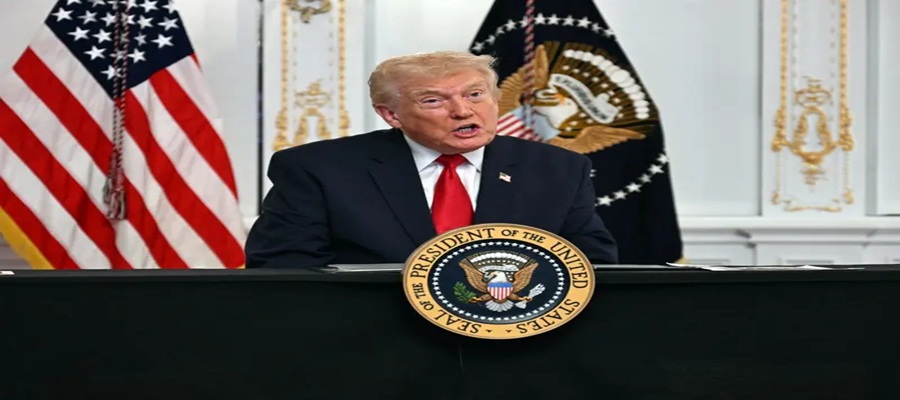
U.S. President Donald Trump has dismissed the remaining two commissioners of the bipartisan Election Assistance Commission (EAC), leaving the federal agency responsible for supporting election administration without any serving commissioners months before the 2026 midterm elections.
According to U.S. media reports, the two commissioners, both nominated by Democratic administrations, received notices from the White House informing them that their appointments had been terminated with immediate effect.
The dismissals followed the earlier resignation of the commission’s two Republican-appointed members, leaving the agency without its four-member leadership panel.
The White House defended the decision, saying the president had the authority to remove officials who were not fully aligned with his administration’s priorities on election security.
“The president reserves the right to remove individuals that may not be totally aligned with the important task of securing America’s elections and ensuring every legal vote is counted,” a White House official said.
The move has drawn criticism from Democratic lawmakers and election officials, who warned it could undermine public confidence in the electoral process.
Arizona Secretary of State Adrian Fontes described the action as “irresponsible and dangerous,” alleging that it could create uncertainty for election administrators across the country.
Sen. Mark Warner of Virginia also expressed concern, saying the dismissal of all remaining commissioners just months before the midterm elections required an immediate explanation from the administration.
Michael Waldman, Chief Executive Officer of the Brennan Center for Justice, said the bipartisan structure of the commission was deliberately established by Congress to ensure political balance in election oversight.
Established in 2002, the Election Assistance Commission is responsible for certifying voting systems, developing election guidelines and administering federal funding for election administration.
The latest development comes amid ongoing disagreements between the Trump administration and the commission over election policies, including the president’s executive order seeking to require proof of U.S. citizenship for voter registration, a measure that has faced legal challenges.
Under existing rules, the commission requires the agreement of at least three of its four members to approve official actions, raising questions about its ability to function until new commissioners are appointed.