


























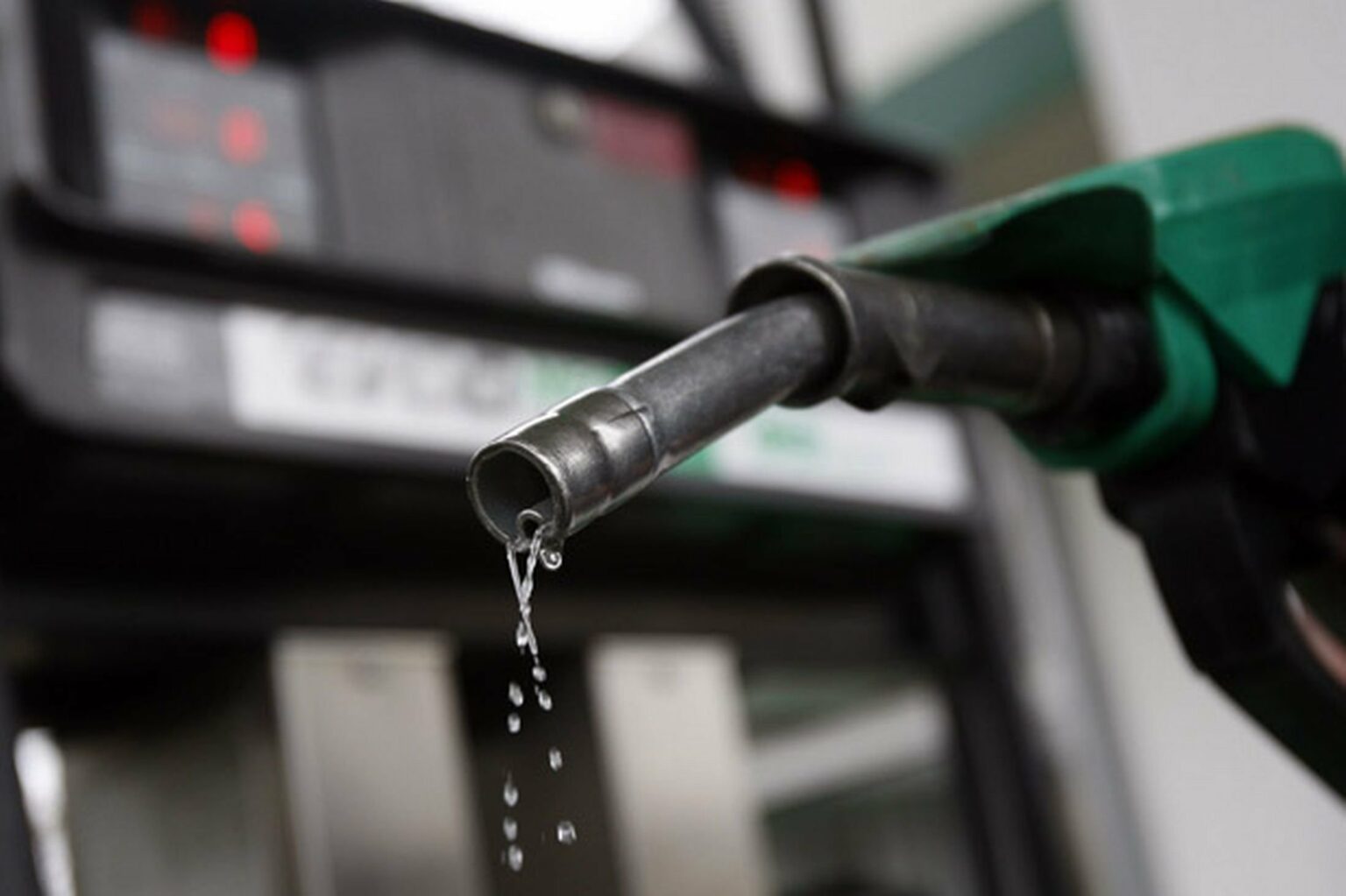
The average retail price of Premium Motor Spirit (PMS), popularly known as petrol, rose sharply to N1,532.93 per litre in April from N1,288.54 recorded in March, according to the latest Petrol Price Watch report released by the National Bureau of Statistics (NBS).
The NBS said the April price represented an 18.97 per cent month-on-month increase and a 23.69 per cent rise when compared with the N1,239.33 per litre recorded in April 2025.
A state-by-state analysis showed that Yobe recorded the highest average retail price of petrol at N1,599.05 per litre, followed by Edo at N1,595.74 and Bauchi at N1,589.07.
In contrast, Niger posted the lowest average price at N1,403.89 per litre, while Sokoto and Katsina recorded N1,404.16 and N1,406.28 respectively.
The report further revealed that the South-South zone had the highest average petrol price in April at N1,566.76 per litre, while the North-West recorded the lowest at N1,508.81 per litre.
Meanwhile, the NBS also reported a significant increase in the price of Automotive Gas Oil (AGO), commonly known as diesel.
According to its Diesel Price Watch report, the average retail price of diesel rose by 50.16 per cent month-on-month, climbing from N1,648.06 per litre in March to N2,474.69 per litre in April.
On a year-on-year basis, the diesel price increased by 43.67 per cent from N1,722.45 per litre recorded in April 2025.
The report showed that Nasarawa recorded the highest average diesel price at N2,818.94 per litre, followed by Ebonyi at N2,754.06 and Taraba at N2,704.76.
Kebbi recorded the lowest average diesel price at N2,180.28 per litre, while Kogi and Katsina followed with N2,192.70 and N2,269.14 respectively.
At the zonal level, the North-East recorded the highest average diesel price at N2,603.00 per litre, while the North-West posted the lowest average price at N2,409.34 per litre.
Industry analysts attributed the sharp increases in petrol and diesel prices to heightened geopolitical tensions in the Middle East, which have disrupted global energy markets and increased crude oil prices.
They noted that uncertainties surrounding key shipping routes, particularly the Strait of Hormuz, have contributed to higher international oil benchmarks, leading to increased landing costs and retail fuel prices in Nigeria.