






















Nationwide Unstructured Supplementary Service Data (USSD) glitches are occurring because the Nigerian Communications Commission (NCC) and Central Bank of Nigeria (CBN) transitioned to an “End-User Billing” (EUB) framework.
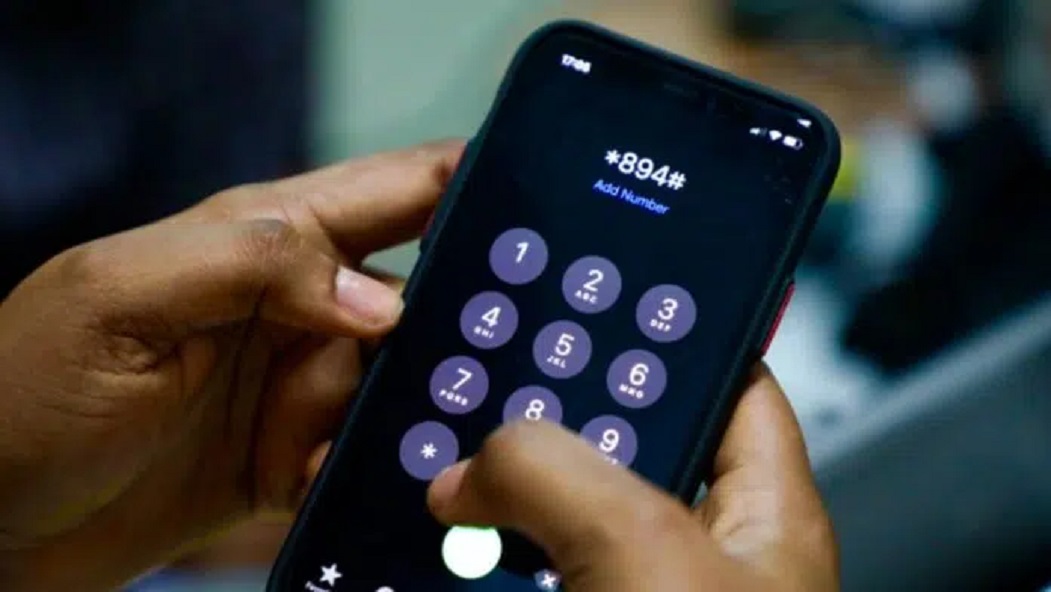
USSD is a real-time messaging protocol that allows you to communicate directly with your mobile network provider’s computers. It operates without needing an internet connection and is typically triggered by dialing a code starting with \(\ast \) and ending with \(\#\) (e.g., $\ast$123\(\#\)).Instead of deducting fees from bank accounts, the ₦6.98 per-session charge is now deducted directly from mobile airtime.
The disruptions, which have affected customers of several leading banks including First Bank of Nigeria, Access Bank, United Bank for Africa, First City Monument Bank and Stanbic IBTC Bank, have sparked confusion among retail customers, traders and Point of Sale operators who rely heavily on USSD banking for daily transactions.
Previously, banks deducted USSD charges directly from customers’ bank balances before settling telecom operators separately.
That framework has now been replaced with an End-User Billing system.
Under the new model, customers are charged N6.98 for every 120-second USSD session, with the fee deducted directly from mobile airtime.
This means customers with little or no airtime on their SIM cards may be unable to complete transfers, regardless of how much money they have in their bank accounts.