























Federal Government’s plan to secure a $5 billion oil-backed loan from Saudi oil giant Aramco is facing setbacks due to falling global crude oil prices. With Brent crude dropping nearly 20% from over $82 in January to around $65 per barrel, concerns have emerged among banks expected to co-finance the deal, slowing progress.
President Bola Tinubu reportedly introduced the loan proposal during a meeting with Saudi Crown Prince Mohammed bin Salman at the Saudi-African Summit last November. However, market volatility and doubts over Nigeria’s oil output capacity have complicated negotiations.
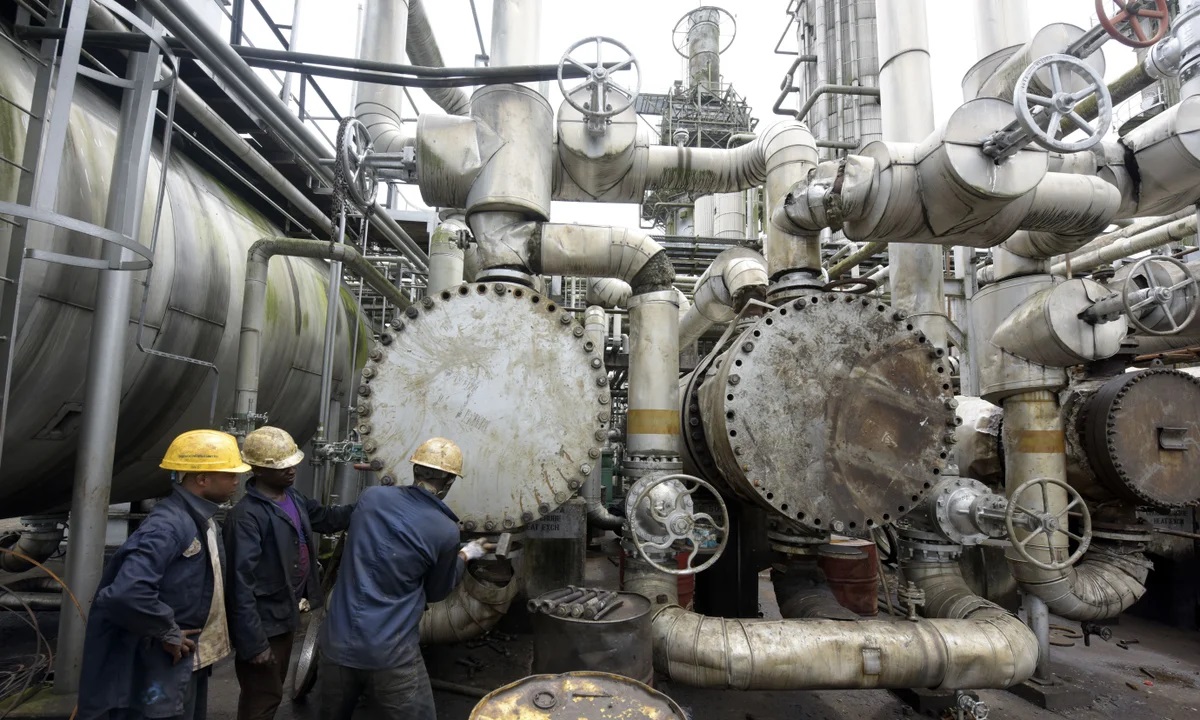
To secure the loan, Nigeria would need to commit at least 100,000 barrels of oil per day. However, years of underinvestment in the sector make meeting this requirement challenging. Currently, Nigeria allocates around 300,000 barrels per day to service existing oil-backed loans, one of which is set to be fully repaid this month.
Industry experts warn that lower oil prices extend the time required for loan repayment, as more crude is needed to meet financial obligations. Additionally, the Nigerian National Petroleum Corporation (NNPC) must allocate oil for joint venture costs with firms like Shell, Oando, and Seplat, further reducing available supply for new commitments.
A source familiar with the situation remarked, “It’s hard to find anyone to underwrite it,” reflecting growing doubts about Nigeria’s ability to meet the oil volume requirements.
In response, President Tinubu has issued an executive order aimed at reducing production costs to improve revenue per barrel, while the NNPC works to increase output despite persistent sector challenges.
The 2025 budget sets an ambitious production target of 2 million barrels per day at an assumed price of $75 per barrel, though the World Bank has expressed skepticism about its feasibility. In April, Nigeria’s actual production stood at just over 1.6 million barrels per day, according to the Nigerian Upstream Petroleum Regulatory Commission (NUPRC).