





















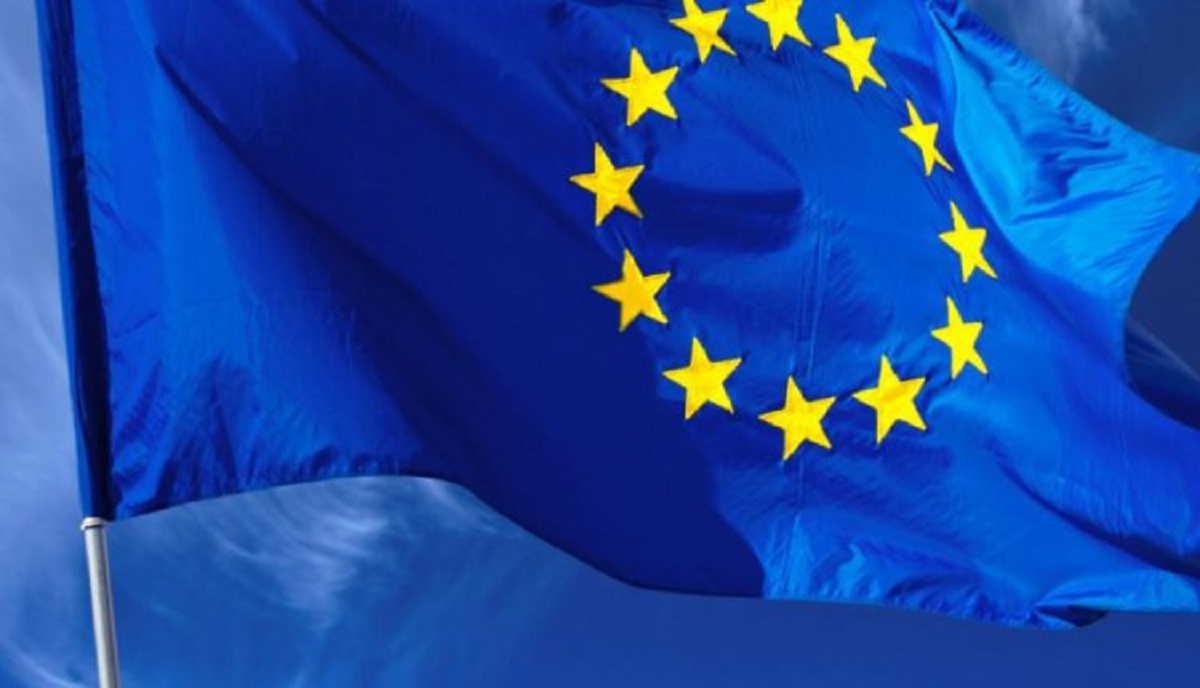
European Union has announced the extension of its sanctions against Russia until October 2026, citing what it described as Moscow’s continued “hybrid threats” across Europe, including cyberattacks, disinformation efforts, and destabilising influence operations.
In a statement issued on Friday, October 3, the Council of the European Union confirmed that the restrictive measures will now remain in force until October 9, 2026. The move, the Council said, highlights the bloc’s determination to respond decisively to Russia’s “persistent destabilising operations.”
The sanctions framework was first introduced last year and specifically targets individuals and entities involved in so-called hybrid warfare, a mix of cyber operations, propaganda, and political interference. Currently, the regime covers 47 individuals and 15 organisations. Those listed are subject to asset freezes and travel bans across EU member states.
Under the terms of the renewed sanctions, EU citizens and companies are strictly prohibited from making funds, assets, or any form of economic resources available to the blacklisted individuals or organisations. Likewise, those on the list remain barred from entering or transiting through the territory of any EU country.
According to the European Council, the continuation of the sanctions is aimed at deterring Russia from engaging in further hybrid activities and at safeguarding the democratic institutions of Europe from interference. “Restricting Moscow’s destabilising influence remains essential to maintaining regional peace and supporting Ukraine,” the statement said.
The extension also reflects what Brussels described as a unified and long-term stance by EU member states in countering Russia’s evolving tactics. Officials stressed that hybrid operations, which combine elements of cyber warfare, covert influence, and disinformation, represent an ongoing threat that must be addressed with equal persistence.
While analysts acknowledge that the sanctions have disrupted some Russian networks, they also point out that the measures have not fundamentally altered Moscow’s strategic posture. Still, observers say the EU’s decision signals an intent to confront hybrid warfare beyond conventional military confrontation and to sustain pressure on Russia over the long term.