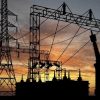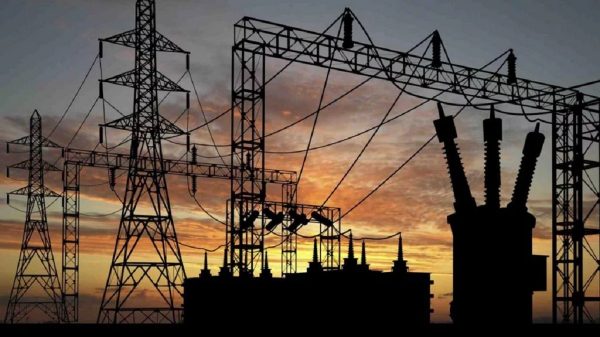
























Nigerian Independent System Operator (NISO) has attributed the nationwide decline in electricity supply to inadequate gas deliveries to thermal power plants and reduced water levels at hydroelectric generation stations, RaveNewsOnline reports.
In an official statement released on Thursday, November 5, 2026, NISO explained that the dual operational constraints have severely restricted thermal generating capacity and lowered hydroelectric output.
The shortfall has consequently forced a reduction in power allocations to electricity distribution companies (DisCos) and triggered heightened load shedding across distribution networks.
“The limited availability of gas has constrained the capacity of affected thermal generating stations to operate at their available levels, while reduced water inflows into reservoirs have impacted the generation capacity of hydroelectric power stations,” NISO stated.
The operator noted that the impact on consumers varies across regional networks, depending on total available generation and the specific volume allocations dispatched to individual DisCos.
Acknowledging the widespread disruptions affecting domestic households and commercial enterprises, NISO assured the public that measures are being taken to manage grid balance and optimize available energy resources while long-term structural adjustments are pursued.
“While we are actively working on the diversification of our energy mix for the national grid to ensure security of supply, NISO remains committed to maintaining grid stability, optimizing the dispatch of available generation, and ensuring the secure, reliable, and efficient operation of the national grid within prevailing operational constraints,” the management added.
The latest system constraints comes after recurring generation shortfalls experienced throughout the year. Earlier in March 2026, regional distributors like Ikeja Electric reported similar supply drops in Lagos due to thermal gas shortages, while the Ministry of Power cited debt-related gas supply bottlenecks and emphasized the need for increased renewable energy investment to stabilize the national grid.