

























The World Health Organisation (WHO) has estimated that 26.3 million people are living with HIV in Africa in 2026, with 21.7 million currently receiving antiretroviral therapy.
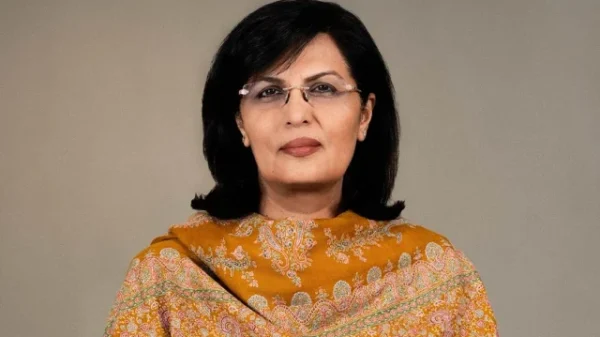
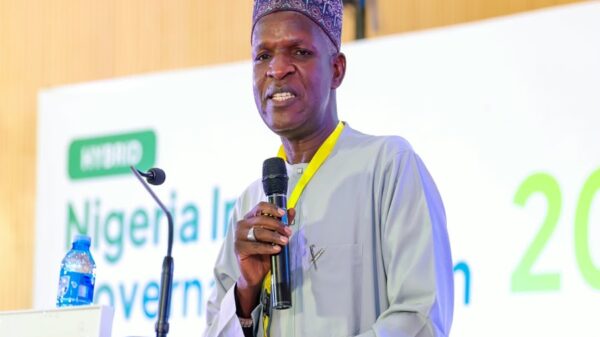
The WHO Regional Director for Africa, Dr Mohamed Janabi, disclosed this on Monday, November 23, in a message to mark the 2026 World AIDS Day, observed annually on December 1.
Janabi said that despite significant progress in the fight against HIV, including declining new infections in several countries and improved access to treatment, millions of people across the continent still faced barriers to essential prevention and healthcare services.
He said the African Region continued to bear the greatest burden of the HIV epidemic, stressing the need to accelerate equitable access to prevention, testing, treatment and care to end AIDS as a public health threat.
This year’s World AIDS Day theme, “Ending AIDS starts with access”, highlights the importance of ensuring that scientific breakthroughs and available medical interventions reach everyone who needs them.
According to Janabi, access to HIV prevention empowers individuals to protect themselves and their loved ones, while testing enables people to know their status and seek treatment promptly.
He added that access to treatment allows people living with HIV to lead long and healthy lives, while confidential healthcare services free from stigma and discrimination ensure that patients receive care with dignity.
However, he identified distance, transportation costs, medicine stock-outs, stigma, punitive laws and gender inequalities as major obstacles preventing many people from accessing HIV services.
He warned that these barriers could result in undetected infections, delayed treatment and missed opportunities to prevent further transmission.