




























Connect with us

    Hi, what are you looking for?

    News

    Dead European Satellite Crashes Back to Earth

    Dead European Satellite Crashes Back to Earth

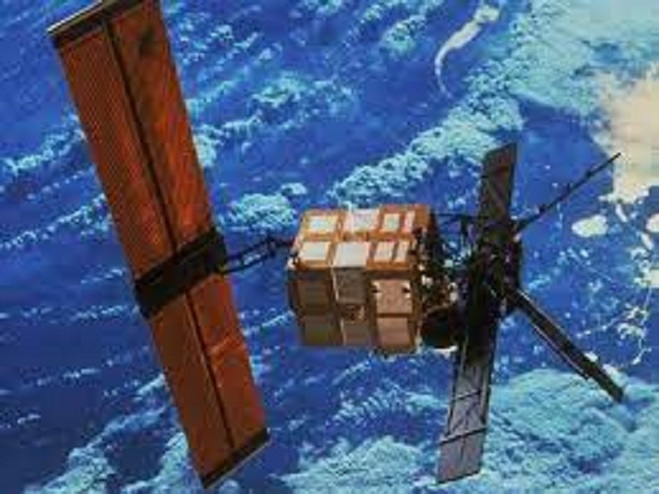
    A satellite that has been in orbit for nearly 30 years has fallen back down through the Earth’s atmosphere, the European Space Agency (Esa) has said.

    ERS-2 , the dead European satellite weighing 5,000lbs, was launched in 1995 to collect data on Earth’s land, oceans and polar caps

    It finally returned to Earth after ending operations more than a decade ago.

    The ERS-2 satellite fell in the North Pacific Ocean somewhere between Alaska and Hawaii last week.

    The Esa had previously said the satellite will break up into pieces during re-entry – the majority of which will burn up.

    In 2011, Esa retired the still-functioning ERS-2 and began the process of deorbiting.

    Throughout its working life, ERS-2 collected data on the Earth’s diminishing polar ice, changing land surfaces, rising sea levels, warming oceans, and atmospheric chemistry.

    ERS-2 was also called upon to monitor natural disasters, such as severe floods and earthquakes, in remote parts of the world.

    Loading

    Spread the love
    Click to comment

    Leave a Reply

    Your email address will not be published. Required fields are marked *

    ad

    You May Also Like

    Food

    A new report by Rome Business School Nigeria says weak infrastructure, poor storage systems and rising economic pressure are reshaping how Nigerians eat, spend...

    E-Financial

    Nationwide Unstructured Supplementary Service Data (USSD) glitches are occurring because the Nigerian Communications Commission (NCC) and Central Bank of Nigeria (CBN) transitioned to an...

    Sports

    Mexican President, Claudia Sheinbaum said on Monday, May 25 her government agreed to allow the Iranian national football team to stay in Mexico during...

    Tech

    MTN Nigeria has announced the selection of 25 media practitioners and digital content creators for the fifth cohort of its Media Innovation Programme (MIP),...