































Scientists in the United Kingdom have reported encouraging results from the first human trial of an artificial intelligence-designed “universal” coronavirus vaccine that could potentially provide protection against future virus outbreaks and emerging pandemic threats.
The experimental vaccine was developed by researchers at the University of Cambridge in collaboration with biotech company DIOSynVax.
Researchers said the vaccine was created using artificial intelligence models trained on extensive genetic sequence data from global virus surveillance programmes covering a broad range of coronaviruses, including SARS-CoV-2, the virus responsible for the COVID-19 pandemic.
According to the scientists, the AI system designed a “super antigen” by identifying and combining common features shared across Sarbeco coronaviruses, a group that includes SARS-CoV-2, SARS and several bat-borne coronaviruses.
The aim is to trigger broad immune protection against both current and future coronavirus threats, even as viruses evolve through mutations.
The vaccine was evaluated in a clinical trial involving 39 healthy volunteers at University Hospital Southampton and a partner research facility at Addenbrooke’s Hospital.
Researchers reported that participants developed immune responses not only against SARS-CoV-2 and SARS but also against related bat coronaviruses that could potentially spill over into humans in the future.
The study marks the first time a vaccine whose core design was generated entirely through computer simulations has been tested in humans.
Early findings published in the Journal of Infection showed the vaccine was safe and produced no significant side effects among trial participants.
Chief investigator of the trial, Saul Faust, said existing vaccine development systems are often reactive and struggle to keep pace with rapidly changing viruses.
He said the new technology could help transform vaccine development from a reactive process into one focused on anticipating future threats.
Also speaking, Jonathan Heeney described the project as a move toward “future-proof” vaccines capable of protecting against multiple virus strains and emerging infectious diseases.
According to him, the long-term goal is to reduce the need for frequent vaccine updates whenever new variants emerge.
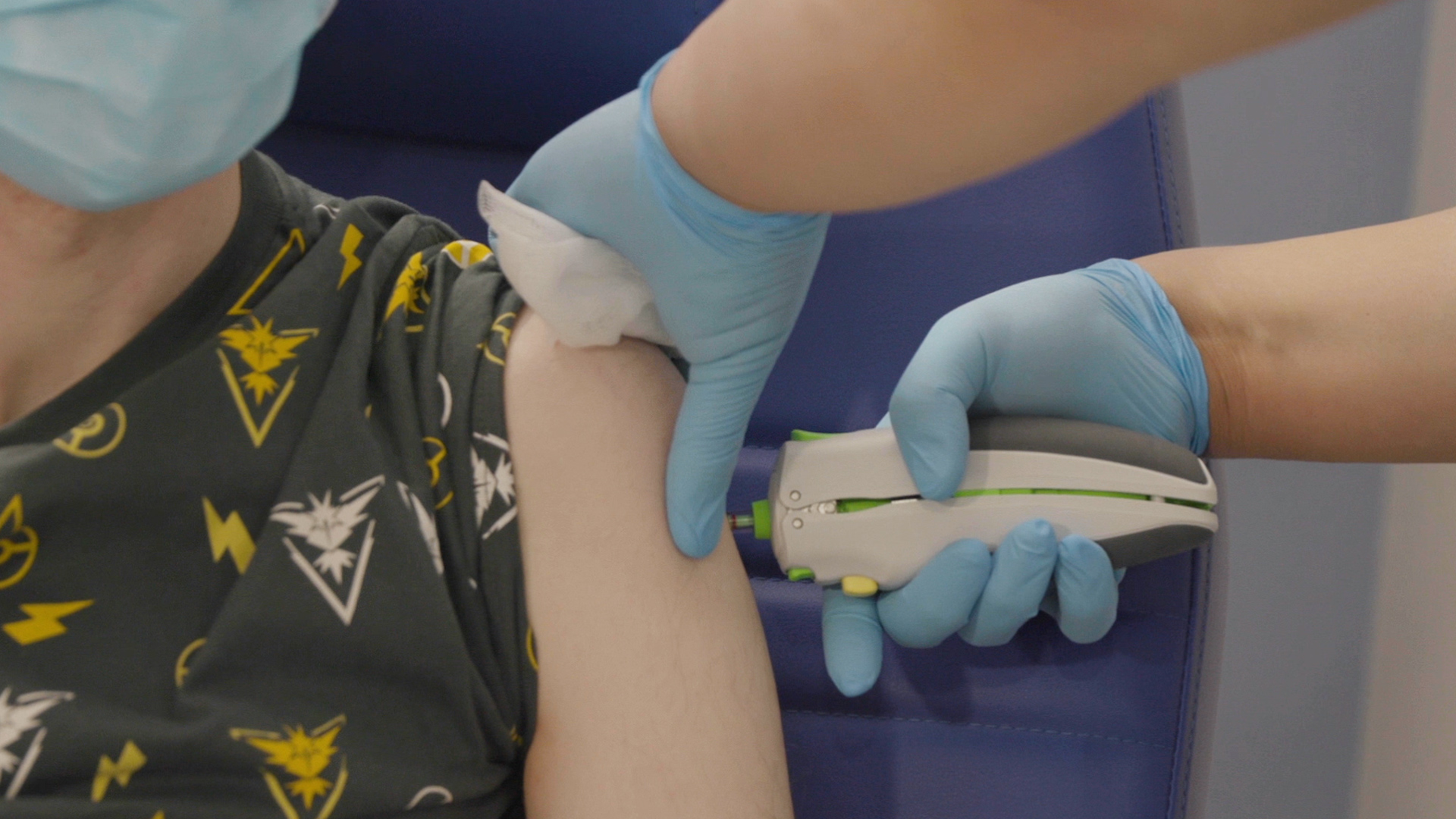
Researchers added that the vaccine uses a DNA-based platform and was administered through a needle-free microfluid jet delivery system.
Despite the promising results, scientists cautioned that larger Phase 2 clinical trials and further testing would be required before the vaccine could be considered for widespread public use.
They, however, described the innovation as a significant step toward improving pandemic preparedness and strengthening global health security against future coronavirus outbreaks.