


























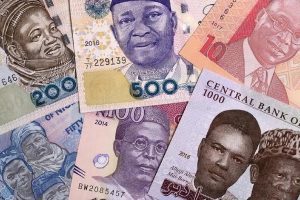
The naira is projected to remain largely stable in the coming months, while borrowing costs are expected to ease as inflation moderates, according to the Central Bank of Nigeria’s (CBN) latest Business Expectations Survey (BES).
CBN
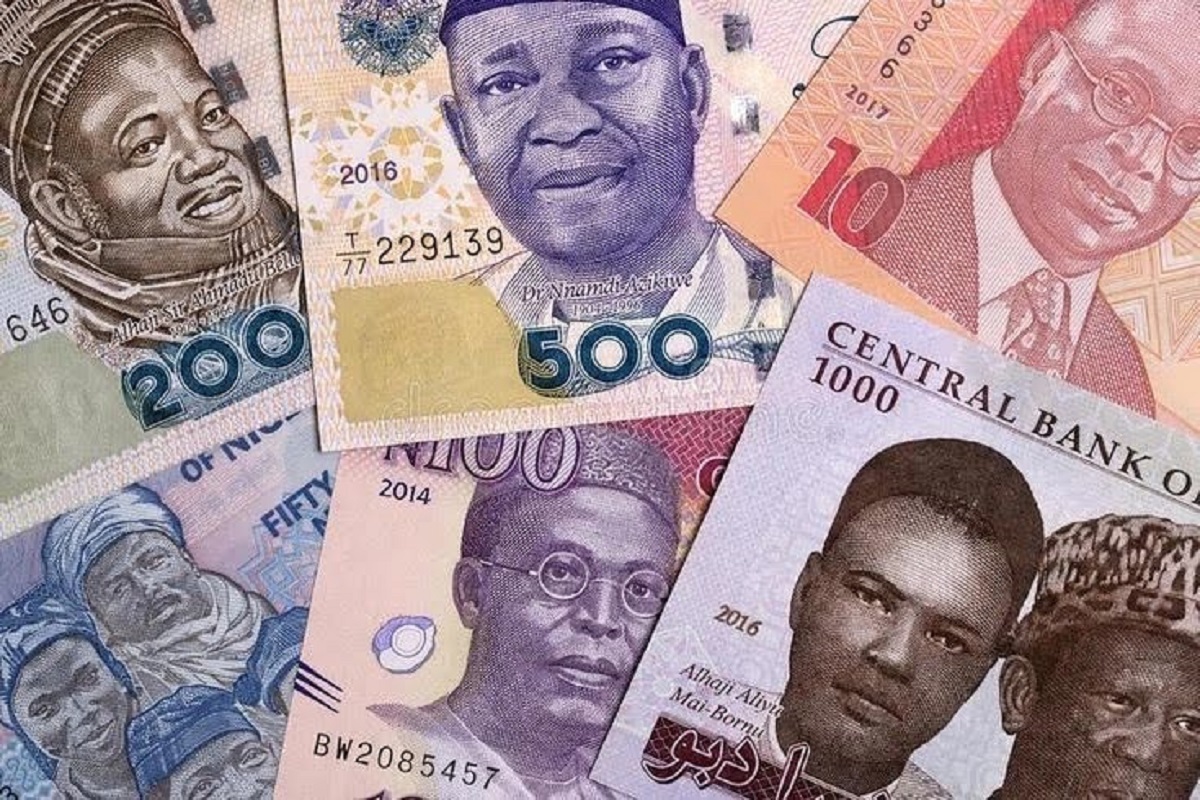
The survey, which polled about 1,900 businesses nationwide, revealed that confidence in the local currency has strengthened. Respondents expect the naira to rise from an index of 28.8 points to 42.2 points by May 2026, extending the rare period of stability recorded throughout 2025.
Borrowing rates are also forecast to decline, with the index dropping from 15.4 points to 11.7 points, reflecting expectations of softer monetary conditions as inflationary pressures ease.
“Respondents expect the naira–US dollar exchange rate to steadily appreciate across the review periods, as indicated by the positive indices.
“They also anticipate a continuous positive outlook for borrowing rates during the same periods,” the BES report stated.
The naira has enjoyed an unusually long stretch of stability after losing about 41% of its value in 2024 following the unification of exchange rates. Analysts attribute the current calm to the CBN’s calibrated interventions and steady inflows from foreign portfolio investors.
Inflation, which stood at 14.45% in November 2025, is projected to fall to single-digit levels in 2026. This outlook could give monetary authorities room to begin a gradual easing cycle, potentially improving credit access for businesses.
Despite the improving macroeconomic environment, businesses continue to grapple with structural constraints. The survey highlighted insecurity (70.1 points), high/multiple taxation (69.7 points), and insufficient power supply (69.3 points) as the most pressing challenges. Other concerns include poor infrastructure and an unfavorable political climate, both scoring 57.7 points.
While optimism surrounds the naira and borrowing costs, the BES underscores the need for sustained reforms to tackle deep-rooted operational challenges. Analysts say that without addressing insecurity, taxation burdens, and infrastructure gaps, Nigeria’s businesses may struggle to fully benefit from the improving macroeconomic outlook.