























MTN Nigeria says it plans to pass fibre to eight million homes over the next three years as part of efforts to deepen broadband penetration and expand digital service offerings across the country.

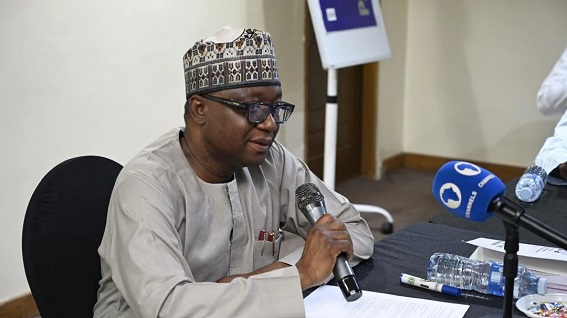
Tobe Okigbo, Chief Corporate Services and Sustainability Officer
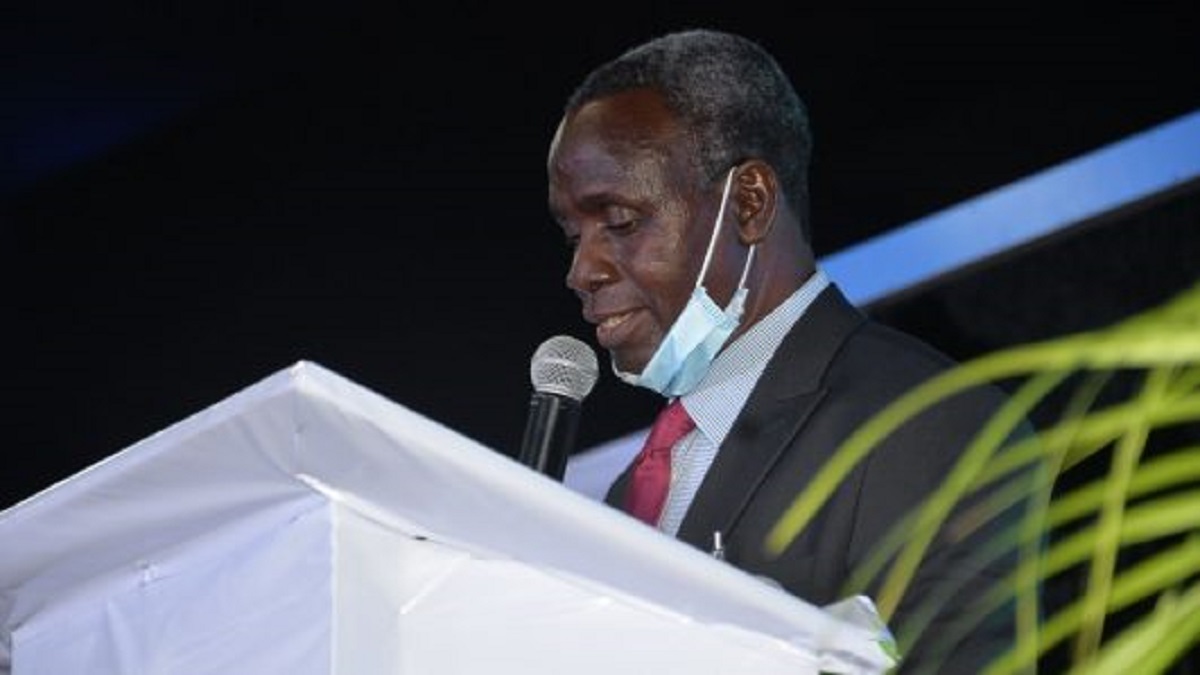
Tobe Okigbo, Chief Corporate Services and Sustainability Officer, disclosed this at the MTN Media Innovation Programme (MIP) Alumni “Ask Me Anything” session held on Saturday.
Okigbo said the telecom company was making significant investments in home fibre infrastructure despite challenges such as regulatory approvals, physical deployment requirements and the long period needed to recover costs.
According to him, fibre broadband differs from mobile internet services because customers pay for connection speed rather than bandwidth consumption.
He said the investment formed part of MTN’s broader strategy to gradually shift customers from mobile-heavy internet usage to fixed broadband services for home connectivity.
Okigbo noted that the global telecommunications industry was evolving beyond traditional voice and data services, driven by advances in artificial intelligence, 5G, smart devices and internet-connected homes.
He warned that telecom operators that fail to adapt risk becoming mere providers of connectivity infrastructure while technology companies capture greater value from digital services.
“The future of telecoms is no longer just about expanding coverage. It is also about building services and platforms around network infrastructure to remain relevant and competitive,” he said.
On recent tariff increases, Okigbo said the adjustments were necessary to address rising operating costs, inflation and sector sustainability concerns.
He cited increased diesel prices and other operational expenses as major factors affecting the cost of delivering telecom services in Nigeria.
According to him, tariff pricing should increasingly reflect market realities and inflation trends, while allowing consumers to switch providers offering better value.
Speaking on service quality, Okigbo said MTN had compensated customers in cases of poor network performance and remained in discussions with regulators on accountability for service failures.
He explained that discussions were ongoing to distinguish between network issues caused directly by operators and those resulting from external factors such as vandalism, construction activities and infrastructure damage.
Okigbo said MTN supported compensating customers for genuine service lapses but sought clarity on regulatory parameters guiding such liabilities.
He added that fibre deployment remained more complex than mobile network expansion because it involved physical cable installation, local government approvals and detailed service planning.
On mobile money operations, Okigbo said MTN Group had acquired a 60 per cent stake in MoMo across its markets to strengthen competitiveness and improve customer experience.
He said the future of telecoms would also be shaped by embedded connectivity, smart homes, connected vehicles and broader Internet of Things adoption.