
























United Kingdom has reaffirmed its commitment to supporting press freedom and strengthening science and technology journalism in Nigeria through a media training programme for journalists.

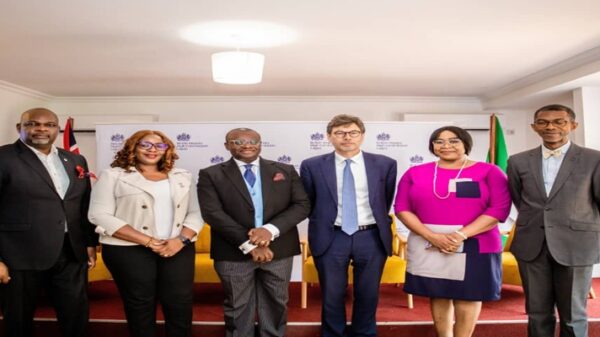
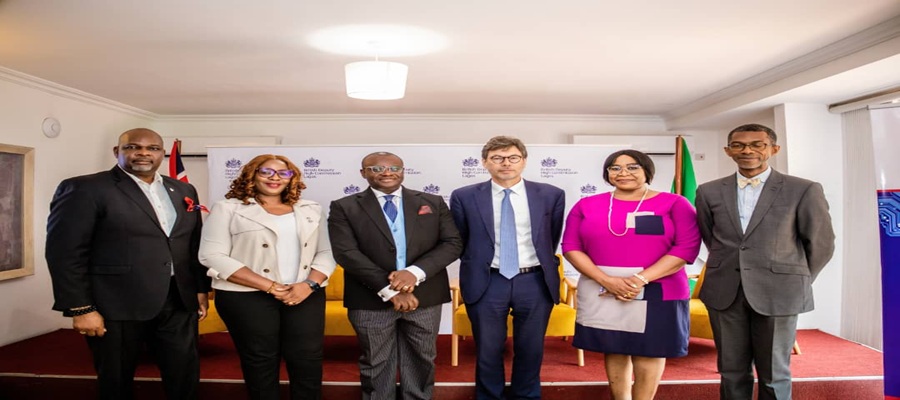
Speaking during the Advancing Press Freedom Through Science and Technology Journalism training organised by the UK Government, British Deputy High Commissioner to Nigeria, Jonny Baxter, said independent journalism remains essential to democratic societies and informed public debate.
Baxter, who hosted the journalists at his residence in Lagos, described the programme as part of the UK’s sustained engagement with Nigerian journalists, academia, and media stakeholders aimed at promoting ethical, evidence-based reporting.
“Strong, independent journalism is essential to democratic societies and informed public debate. That is why we take our relationship with the Nigerian media very seriously,” Baxter said.
He noted that the UK strongly supports freedom of expression and a free press, adding that the training programme was designed to equip Nigerian journalists with tools to interrogate data, challenge misinformation, and accurately communicate scientific and technological issues.
“In an age of rapid technological change, accurate, ethical, and evidence-based reporting has never been more essential,” he said.
Baxter highlighted previous training engagements held for Nigerian journalists in Abuja, Lagos, and the United Kingdom, noting that the latest programme builds on earlier workshops conducted in Portugal and London.
According to him, the initiative also reflects the UK’s commitment to deepening collaboration with Nigerian media professionals while improving public understanding of bilateral priorities such as economic growth, migration, and security cooperation.
He referenced the recent state visit of Nigerian President Bola Ahmed Tinubu to the UK as a major milestone in UK-Nigeria relations, stressing the importance of responsible media coverage during key diplomatic engagements.
“It was important for us to work closely with Nigerian media during the visit to ensure the public received accurate information while also helping hold all parties accountable to the commitments made,” he stated.
A panel discussion held during the event focused on challenges facing journalists in science and technology reporting, including misinformation, disinformation, access to reliable data, digital harassment, source protection, and legal risks.
Panelists noted that journalists face increasing pressure in a fast-paced digital media environment where algorithms often reward virality over factual accuracy.
They urged reporters to prioritise research, fact-checking, and verification while adopting practical digital security measures such as encrypting devices, password protection, and safeguarding confidential sources.
On misinformation and disinformation, panelists encouraged journalists to resist the pressure to publish unverified reports for speed or online traction.
“Don’t always rush to break news without verifying the facts. Trust is built through consistency, research, and cross-checking information,” one panelist advised.
The discussion also addressed concerns around Nigeria’s cyberstalking laws, with legal experts cautioning journalists to ensure all published information is factual, evidence-based, and defensible.
Participants were advised to maintain proper documentation trails, verify all claims, and avoid reliance on hearsay or unconfirmed digital content.
The training, organised in partnership with the School of Media and Communication, Pan-Atlantic University, is part of ongoing UK-backed efforts to strengthen journalism standards and media freedom in Nigeria.
Baxter encouraged participants to actively engage in the sessions and continue championing accountability journalism.
“Thank you for the work you do every day and for your commitment to advancing press freedom in Nigeria,” he said.