
























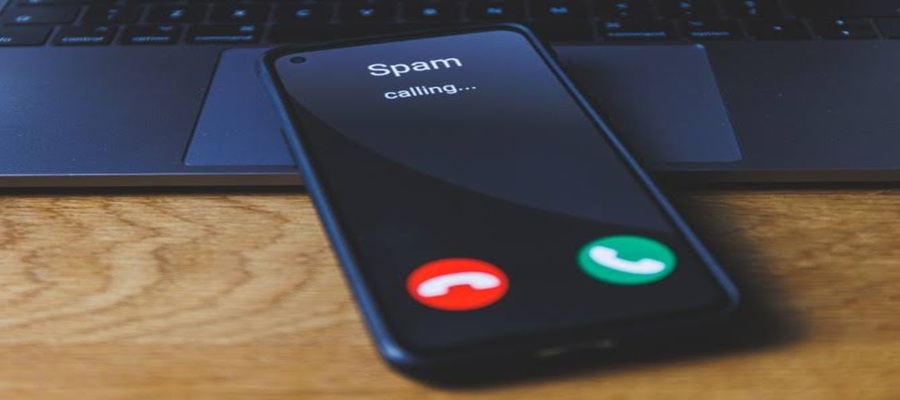
Nigeria has emerged as the most spammed country in Africa, with more than half of all unknown calls received by users in 2025 identified as spam or fraudulent, according to a new report by caller identification platform, Truecaller.

The latest Spam and Fraud Report by Truecaller revealed that 51 per cent of all unknown calls received by users in Nigeria during the review period were flagged as spam or fraud.
This implies that more than one in every two unfamiliar calls received by Nigerians is likely unsolicited or potentially malicious.
The figure places Nigeria eighth globally among countries with the highest volume of spam calls and first in Africa.
Other African countries ranked behind Nigeria include South Africa with 30 per cent, Kenya at approximately 15 per cent, Ghana with about 11 per cent, and Ethiopia at roughly nine per cent.
Globally, Indonesia ranked as the most spammed country, with 79 per cent of unknown calls flagged as spam in 2025.
Chile followed with 70 per cent, representing a sharp rise from 51 per cent recorded six months earlier.
Vietnam, Brazil, and India completed the top five countries with the highest spam call rates globally.
According to the report, automated systems now account for more than 70 per cent of unknown calls in several countries across South America and Southeast Asia.
Truecaller noted that Nigeria’s spam landscape differs from many other countries, not only because of its volume but also due to the nature of the calls.
“In many countries, spam is driven largely by financial impersonation scams or aggressive debt collection.
“In Nigeria, however, telecom and operator-related outreach dominates the landscape, accounting for 35 per cent of all spam calls, the highest concentration of any African market in the report.
“This is followed by telemarketing and sales calls at 10 per cent, while outright scam attempts make up six per cent,” the report stated.
The report added that the dominance of telecom and operator-related calls creates a confusing environment for users, making it harder to distinguish between legitimate service notifications, marketing calls, and fraudulent activities.
It said the overlap between official-looking telecom outreach and scam attempts increases the risk of users either responding to malicious calls or ignoring genuine communications.
Truecaller also observed a similar pattern in Brazil, where telecom-related outreach constitutes a major portion of spam calls, suggesting that telecom ecosystems in some large markets may be inadvertently contributing to the growing spam challenge.
The report underscores the growing concern around unsolicited and deceptive mobile communications globally, as digital fraud and aggressive marketing practices continue to evolve.