







“The colonial masters knew that to control us, they had to take away the one thing that united us – our religion.” – Wunmi Olaiya on Public Eye.
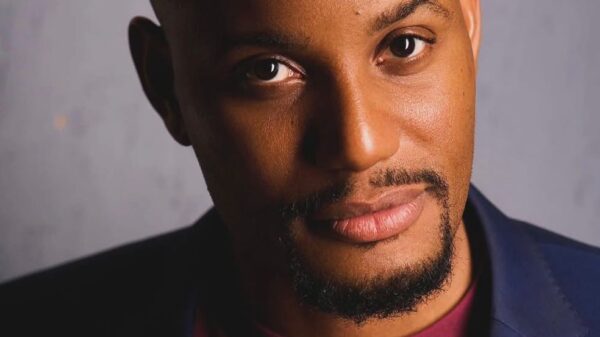
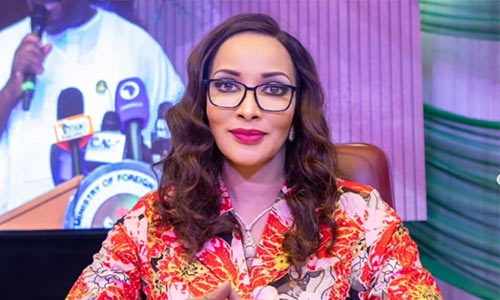
Funmi Iyanda, on Sunday, February 21st, 2021, explored the changing narrative about traditional religion with Omenani practitioner and African indigenous teacher Munoyedi Ogbolumani, Professor of Sociology – University of Ibadan Prof. Oka Obona, Cultural engineer Ejiro Onobrakpeya and singer/songwriter and fashion designer Wunmi Olaiya.
What is the role of traditional religion in nation building? Is there a place for our core beliefs through traditional religion?
Many argue that religion does not build civilisations; that the current world powers got to where they did by jettisoning religion and Nigeria should follow suit. But according to Wunmi, “There’s a difference when you outgrow something; when you experience something yourself and learn that you don’t need it to be here.”
“The difference between us and them is that we did not choose to give our religion up. It was forced out brutally. So, you can’t help but go back to it – to look at it and find out what was wrong with it, especially when the religion we’ve been forced into does not satisfy our soul.”
“The colonial masters knew that to control us, they had to take away the one thing that united us – our religion.”
According to Mr Onobrakpeya, “Our religion is part of our sense of identity. It tells us who we are and what makes us unique. Right now, we are absorbing second-hand religion from people that are learning from other people.”
Munoyedi buttressed that point. “When you don’t know yourself, when you do not know who you truly are, there is no headway. You will keep going in a loop, repeating the same mistakes. That is the state Nigeria is in today.”
“If you have a society that is fragmented into different belief systems, there is no harmony among its parts. 389 ethinic groups in Nigeria – there is no coherence amongst them. What this tells you is that at the individual level, the citizens have fractured souls, and at the national level, there is a fractured psyche.” – Prof. Oka Obona