



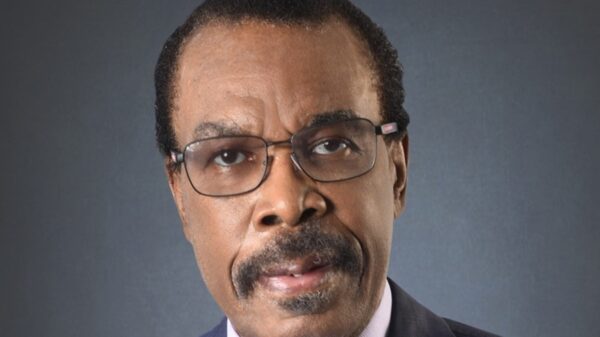
















The recent broadcast on Nigeria Radio FM 99.3, hosted by Jimi Disu, saw listeners ask ALTON Chairman Engr. Gbenga Adebayo on Saturday, April 25, over what many described as ‘unfair’ billing and the ‘scam’ of data expiration.
Addressing the heated matter surrounding the NGN6.98 USSD fee for banking transactions, Adebayo offered a blunt analogy to justify the cost.
He likened the telecommunications provider to a ‘taxi’ that carries a passenger to the bank’s digital front door. Defending the charge, he argued, “The phone company is like a ‘taxi’ taking you to the bank’s digital office. Even if the bank’s system is down when you get there, you still have to pay the taxi man.”
The ALTON Chairman was equally firm on the matter of data expiration, a major point of friction for Nigerian consumers. He clarified that data plans are sold within specific subscription windows, such as 7 or 30 days, and are not designed to be held in perpetuity.
Addressing this directly, he told listeners, “You can’t carry it in perpetuity… but you have the benefit of extending it without losing unused portions by just resubscribing.” He explained that subscribers can indeed keep their unused data through ‘rollover’ benefits, provided they resubscribe to a new plan before their current bundle officially lapses.
The dialogue moved to the issue of toll-free lines, with Adebayo explaining the technical reality of toll free numbers.
He noted that ‘nothing is free,’ rather, these are “reverse charge lines” where the business or the government absorbs the cost so the caller does not have to pay.
In Nigeria’s current economic climate, fewer businesses are willing to pay for these calls, leading to a shortage of truly free lines for consumers.
This financial burden is part of the broader “opportunity cost” analysis that consumers must understand when comparing Nigerian services to international standards.
Data provided during the broadcast also shed light on the dispute between telcos and the banking sector. Adebayo revealed that the NCC and the CBN are currently reviewing data to determine which party is responsible for failed transactions.
He noted that when a user attempts a USSD transaction multiple times, the telco provides the connection for every single attempt. If the bank’s system fails to complete the transaction, the telco has still expended resources to provide the link, which is why the N6.98 charge is applied for the access provided.
In his concluding remarks, Adebayo urged for more public enlightenment to bridge the gap between consumer frustration and technical realities.
He stressed that while the NCC continues to impose fines and penalties on operators for quality lapses, these fines do not actually solve the underlying problems of power failure and vandalism.
For service to truly improve, there must be a collective effort to protect the network from physical harm and a better understanding of the business models that keep Nigeria connected.