































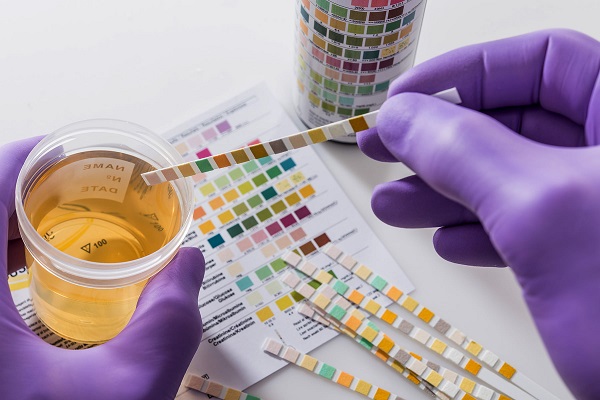
Federal Government has introduced new measures aimed at curbing drug and substance abuse in secondary schools across Nigeria, including compulsory drug testing for students and possible suspension for repeated positive cases after treatment and rehabilitation.
The policy is contained in the National Implementation Guidelines Against Drug and Substance Use in Schools in Nigeria, developed to reduce substance abuse among students and improve discipline and learning environments nationwide.
According to the guidelines, all newly admitted secondary school students will undergo mandatory drug integrity tests during admission, while schools are also required to conduct periodic and surprise drug tests at least once every academic session for both new and returning students.
The framework prohibits students from possessing or using narcotic drugs, controlled substances, or other substances of abuse without authorisation from school authorities. However, it provides exemptions for students using prescribed medications, provided such cases are disclosed by parents or guardians during admission.
The policy outlines a three-stage intervention process for students who test positive.
Under the first stage, affected students will undergo counselling and initial treatment under school supervision.
A second positive result will lead to referral for specialised medical treatment and support by health professionals.
Students who test positive for a third time after intervention may face temporary suspension from school while continuing rehabilitation and treatment programmes.
The guidelines also make counselling compulsory before and after drug testing. Pre-test counselling is designed to prepare students emotionally and explain procedures, while post-test counselling aims to help students understand results and access appropriate support.
Schools are expected to establish disciplinary committees led by school administrators to enforce compliance with the policy.
The framework also directs schools to report violent incidents linked to substance abuse, including assaults and injuries, to law enforcement agencies.
Students who refuse treatment or rehabilitation may also be temporarily separated from the school environment until deemed stable.
The policy comes amid growing concerns over rising drug abuse among adolescents in Nigeria, with stakeholders warning of its impact on academic performance, mental health, discipline, and school safety.
While some stakeholders have welcomed the initiative as a step toward addressing substance abuse in schools, others have raised concerns about implementation capacity, student welfare safeguards, and the readiness of schools and health systems to effectively enforce the measures nationwide.