




























Nigeria’s illicit drug crisis has reached a critical emergency level, with approximately 14.3 million citizens aged 15 to 64 consuming illicit substances within a single year according to the last National Drug Use Survey of the National Drug Law Enforcement Agency.

National experts and health agencies warn that the country risks losing an entire generation to addiction as the problem shifts from isolated cases to a widespread public health and national security threat, according to the report by NAFDAC.
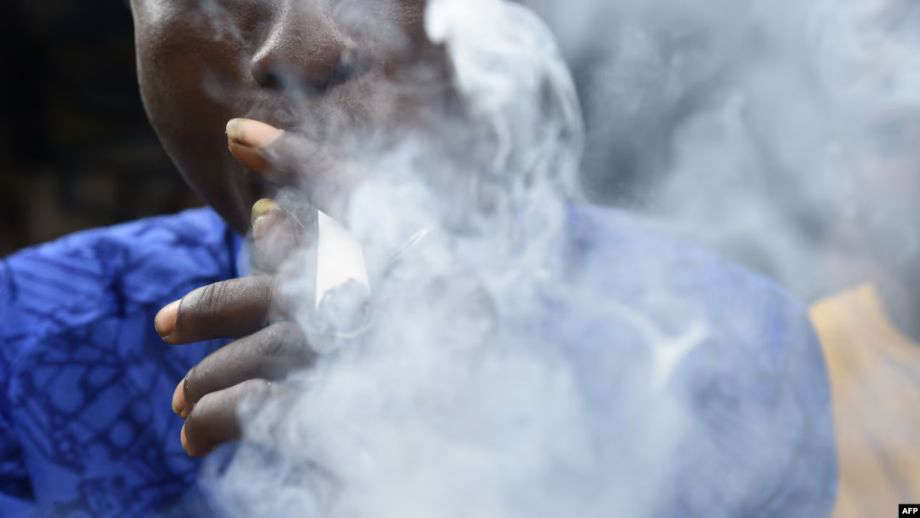
The crisis is most acute among the youth population, where the cost of a “high” has become dangerously affordable. For as little as 500 to 1,000 Naira—less than the price of a loaf of bread—young Nigerians are accessing substances that promise a temporary escape from stress or a boost in confidence. Common drugs such as tramadol, codeine syrup, and cannabis are now easily accessible through informal kiosks, street vendors, and even some pharmacies operating without prescriptions, Vanguard reports.
The methods of substance abuse are evolving and becoming increasingly localized. In major urban centers like Lagos and Port Harcourt, synthetic strains of cannabis and chemical blends are dominating the scene. Meanwhile, in Abuja, the misuse of pharmaceutical sedatives like Rohypnol and diazepam is on the rise.
In rural communities, limited resources have led to the abuse of household and industrial items. Youths are reportedly inhaling petrol fumes, glue, and paint thinners, or creating homemade concoctions like “monkey tail,” a mixture of local gin and cannabis. These improvised methods reflect a desperate culture of coping and experimentation fueled by boredom and economic hardship.
The National Drug Law Enforcement Agency (NDLEA) has intensified its crackdown on the drug supply chain. Between January and February 2026 alone, the agency recorded 3,913 arrests, 581 convictions, and the seizure of over 113,000 kilograms of illicit substances. Despite these efforts, officials admit that the flow of substances from legitimate pharmaceutical sources into the black market remains a significant challenge.
Professor Christianah Adeyeye, Director-General of NAFDAC, emphasized that the scale of the crisis requires more than just arrests. She noted that the normalization of drug use in social hubs like shisha lounges and university hostels has made it a cultural issue that demands a nationwide, multidisciplinary intervention.
Survivors and affected parents have shared harrowing testimonies regarding the long-term impact of these substances. Beyond the physical toll of dependence, experts warn that the cycle of addiction is reshaping the behavior and life trajectories of millions of young people. Without a decisive and sustained national effort to curb both supply and demand, the social and economic fabric of the country remains under severe threat