



















The Federal Government has strongly defended its decision to eliminate fuel subsidies, warning that reinstating the policy would trigger severe economic instability, driving petrol prices above ₦2,000 per litre and pushing the exchange rate toward ₦3,000 per US dollar, RAVENEWSONLINE reports.
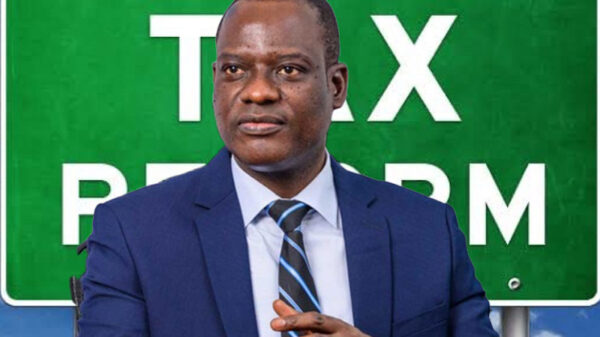
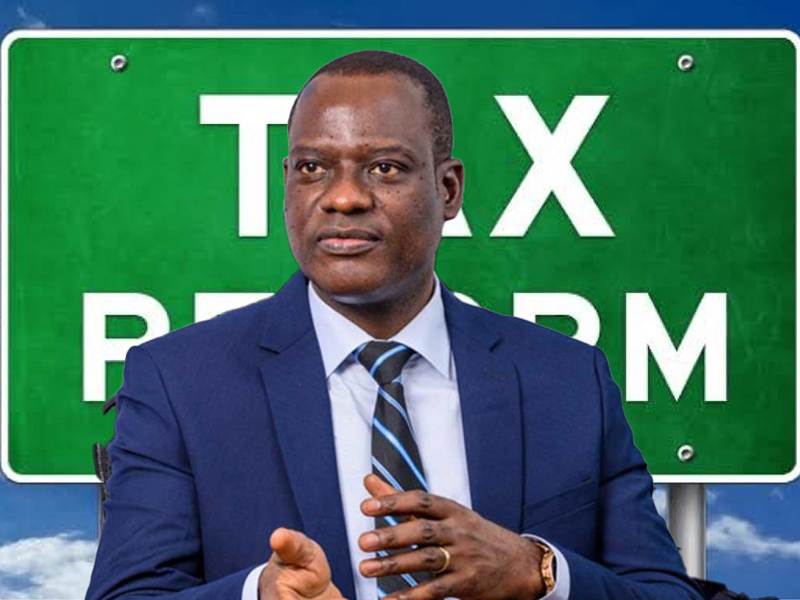
Speaking at a press briefing in Abuja on Thursday, October 8, addressing fuel pricing and growing public calls for subsidy reinstatement, the Minister of Finance and Coordinating Minister of the Economy, Taiwo Oyedele, cautioned that returning to subsidies would destabilize fiscal progress.
“Return subsidy, and the sequence is familiar. Weaker revenues invite a sovereign credit downgrade. As the rating agencies themselves have already signalled, and you can read all their reports, that would put at risk the upgrade we have recently earned, including our first from S&P in 14 years,” Oyedele stated.
“Borrowing becomes costlier, capital leaves, reserves fall, naira weakens. The progress on inflation, which has allowed the central bank to begin lowering interest rates, will be put at risk. Our estimate is that the exchange rate could approach ₦3,000 per dollar within months. And the so-called subsidised petrol will cost at least ₦2,000 per litre.
this is well above what Nigerians pay today.”
Oyedele emphasized that a reinstated subsidy would ultimately be funded through inflationary fiscal measures, delayed public earnings, or increased taxation.
“However, it is described, a subsidy must be financed through salaries and pensions not paid on time, through higher taxes, or through the printing of money, like we saw before this current administration. Over 30 trillion naira was printed. That’s inflation we’re dealing with. It wasn’t even just about the reform. Each of these has done great harm before,” Oyedele added. “Short-term relief, but with long-term fragility, is the most expensive money a government can spend.”
Addressing critics demanding a return to subsidized pricing over three years after President Bola Tinubu announced the end of the regime, the minister challenged proponents to provide viable, mathematically sound alternatives.
“We remain open to ideas, but any credible proposer should answer three questions. Number one, what will it cost? Number two, how will it be funded sustainably? Number three, what pump price will it deliver? We will engage in good faith with any proposer that shows its arithmetic,” Oyedele declared.