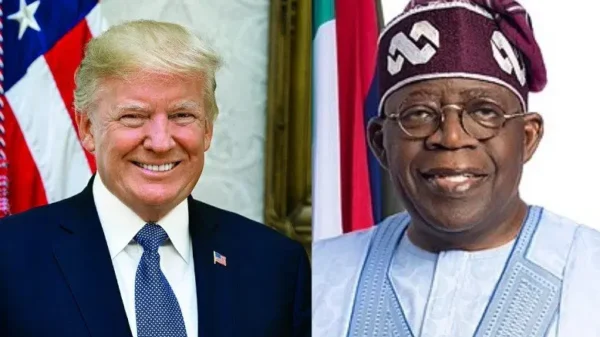
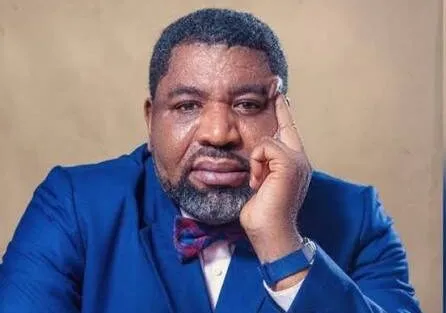















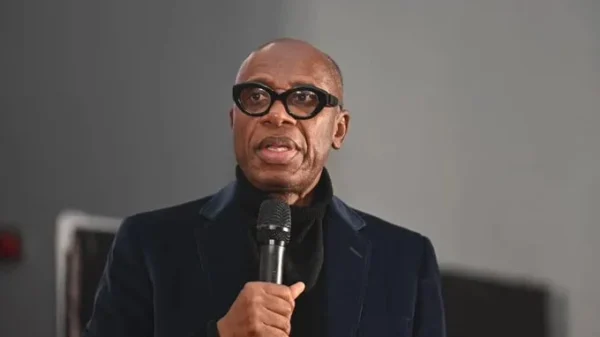





Former presidential aide, Reno Omokri, has defended President Bola Ahmed Tinubu’s opposition to the public release of his records held by the United States Federal Bureau of Investigation (FBI), arguing that the existence of FBI files does not automatically mean an individual has a criminal record.
Omokri made the clarification in a statement on X on Monday while reacting to the controversy surrounding Tinubu’s legal efforts to prevent the release of unredacted records held by the FBI and Drug Enforcement Administration (DEA).
He maintained that Tinubu had no criminal record in the United States, Nigeria or elsewhere, stressing that FBI files could contain information unrelated to criminal activity.
“President Bola Tinubu has no criminal record in the United States, Nigeria, or anywhere else, and the FBI has not provided any criminal record on the President to anyone because none exists. Yes, FBI records may contain his name, but they are NOT criminal records,” Omokri said.
According to him, the FBI maintains records on individuals who may have undergone background checks, including foreign nationals seeking US visas.
He explained that such files could contain biometric, biographical and financial information without necessarily indicating criminal conduct.
“Thus, as a US citizen or resident, or even as a foreign national, if your name is run through the FBI databases, it is likely to bring up hundreds of pages of records. This does not mean that the records are criminal. In most cases, they will be benign,” he said.
Omokri also questioned whether private records belonging to a political figure should automatically be made public simply because of his position.
“Would you, as an individual, want your private records released to your political opponents, even if they were non-criminal?” he asked.
Omokri References 2003 US Embassy Correspondence
The former presidential aide also referred to correspondence he said was exchanged between the US Embassy and Nigeria’s then Inspector-General of Police, Tafa Balogun, in February 2003.
According to Omokri, Balogun had written to the embassy seeking information on whether the FBI had any criminal records concerning Tinubu, who was then governor of Lagos State.
He claimed that the US Embassy responded the following day and gave what he described as an “all clear” regarding criminal records involving Tinubu.
Omokri said the correspondence was consistent with what he described as his own findings during a 2022 visit to Chicago, where he said he sought information about Tinubu’s academic and other records while serving as an opposition figure.
He urged anyone questioning the authenticity of the document to contact the US Embassy in Abuja or Lagos for clarification.
Tinubu Challenges Release Of FBI, DEA Records
Omokri’s comments come amid an ongoing legal battle in the United States over access to records concerning Tinubu.
Tinubu’s lawyers have asked the United States District Court for the District of Columbia to reject a request seeking the release of his unredacted records held by the FBI and DEA.
The President’s legal team argued that the US Freedom of Information Act and Privacy Act protect the records from disclosure.
They also contended that the request was politically motivated and that there was no legally recognised public interest sufficient to justify releasing the information.
The case followed a Freedom of Information Act request by American transparency activist Aaron Greenspan, who sought records relating to Tinubu.
The FBI has relied on several FOIA exemptions in resisting the release of portions of the records, including provisions relating to privacy, confidential sources, investigative techniques and the safety of individuals.
Tinubu’s US Records Date Back To 1990s
The controversy surrounding Tinubu’s records in the United States dates back to the 1990s and became a major issue during the build-up to the 2023 presidential election.
In 1993, a US District Court in Illinois ordered the forfeiture of $460,000 held in an account linked to Tinubu after US authorities alleged that the funds represented proceeds of narcotics trafficking or were involved in prohibited financial transactions.
The All Progressives Congress had maintained during the presidential election litigation that the proceeding was a civil forfeiture case and did not amount to a criminal conviction.
In September 2023, the Presidential Election Petition Court held that the petitioners had failed to establish that Tinubu was arrested, arraigned, convicted or sentenced in a criminal case in the United States.
Opposition Demands Release Of Records
Despite Omokri’s defence, opposition groups have continued to demand the release of the records, arguing that Nigerians have a right to know about the President’s past.
African Democratic Congress spokesperson, Bolaji Abdullahi, said Tinubu should support the release if there was nothing incriminating in the records.
“Why is the President opposing the release of his past records? That is suspicious. The President should allow them (records) to be released to clear himself,” Abdullahi said.
Similarly, Nigeria Democratic Congress National Publicity Secretary, Osa Director, said Nigerians deserved to know the truth and urged Tinubu to allow the records to be made public.
The ongoing US case concerns access to government records under FOIA and, by itself, does not constitute a criminal prosecution or establish that Tinubu committed a drug-trafficking offence.