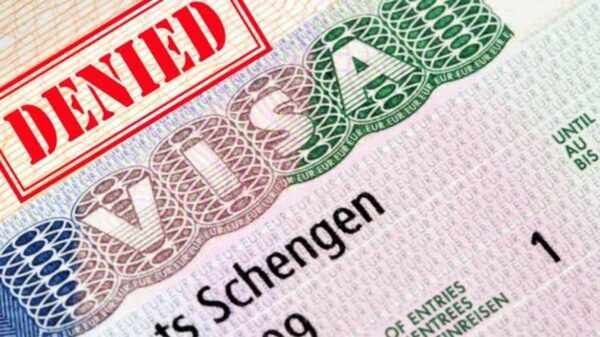





























Nigerians spend an estimated N75 billion annually on visa application expenses, while rejected Schengen visa applications reportedly cost them about N19 billion in 2025, prompting experts to call on the federal government to negotiate fairer visa arrangements and seek refunds for unsuccessful applications.
The figures highlight the growing financial burden on Nigerians seeking to travel abroad, particularly as visa fees are generally non-refundable even when applications are rejected.
The N19 billion figure represents an estimated €11.5 million attributed to rejected Schengen visa applications in 2025, according to a report published by a Nigerian media platform on Sunday, citing a visa-cost analysis attributed to the Ministry of Foreign Affairs.
The report also indicated that only about one in four visa applications was approved during the period under review, although the figures provided did not clearly establish whether this approval rate applied to all destinations or only selected countries.
Beyond official visa fees, applicants incur additional expenses on visa application centre charges, medical insurance, hotel reservations, flight bookings and other documentation requirements.
According to the report, the total cost of an unsuccessful application could range from N350,000 to N1.2 million, depending on the destination and services required.
Countries including Canada, Belgium, Spain, the United Kingdom and the United States were identified among destinations where Nigerians face significant visa application hurdles. Japan and some African countries were also cited over rising fees or stringent application requirements.
“All major embassies collect fees before approval and it is non-refundable,” the report stated.
The financial exposure has prompted calls for stronger diplomatic engagement by the federal government to address the burden on Nigerian applicants and seek more equitable treatment from foreign missions.
A source at the Ministry of Foreign Affairs, said Nigeria needed to renegotiate some of its visa agreements to address what he described as the exploitation of its citizens.
The source said the federal government’s response was anchored on three areas: strengthening bilateral engagement and reciprocity, expanding citizen support and pre-verification services, and advocating equitable global mobility.