




























In a development that underscores the fragile state of Nigeria’s telecommunications grid, an incident of infrastructure vandalism in Delta State has severely disrupted network connectivity, leaving thousands of subscribers stranded.
The breach, where a robber attacked the sites, occurred at an IHS-managed telecom node in the ASB region on July 8, 2026, immediately knocking 33 base stations offline across 2G, 3G, and 4G spectrums.
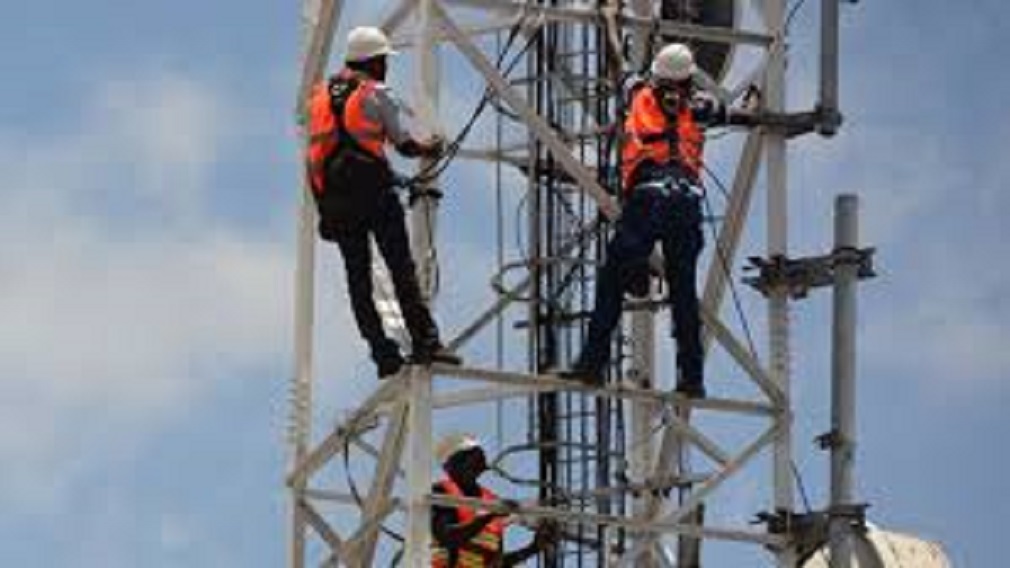
The situation in the region escalated drastically by morning when a separate fibre-optic cable cut severed primary transmission lines. Because the compromised node serves as a critical fibre convergence point, the secondary fibre cut triggered a cascading failure.
This secondary disruption ballooned the number of dark sites from 33 to 103, temporarily paralysing digital communications, banking, and commerce in the affected communities.
Industry sources reveal that the financial and logistical toll of such incidents is becoming unsustainable for Mobile Network Operators (MNOs). Currently, network providers are utilising 20 per cent more spare parts than initially budgeted for the fiscal year.
This unpredictable depletion of technical reserves has stripped operators of their supply buffers, making inventory management and financial forecasting increasingly difficult for telecom executives.
Consequently, engineering teams have been forced to cannibalise materials originally designated for network expansion and new site rollouts just to perform emergency restorations on the damaged sites.
This diversion of resources significantly delays the rollout of new infrastructure, stifling the nation’s broader broadband penetration targets and stalling anticipated revenue generation for the telecom companies.
The Nigerian Communications Commission (NCC) recently noted an average of 1,744 weekly attacks on telecom infrastructure nationwide, including over 1,100 fibre cuts.
As operators endure protracted back-and-forth negotiations with insurance firms to cover these sudden hardware losses, stakeholders are intensifying calls for the strict enforcement of the Federal Government’s recent designation of telecom assets as Critical National Information Infrastructure (CNII) to safeguard Quality of Service (QoS).