
























China’s declining growth is set to affect Nigeria’s economy, the International Monetary Fund has revealed.
IMF stated that because China has forged deep economic ties with countries in sub-Saharan Africa over the past 20 years, its recent declining growth may affect growth in Nigeria by 0.5 percentage points on average.
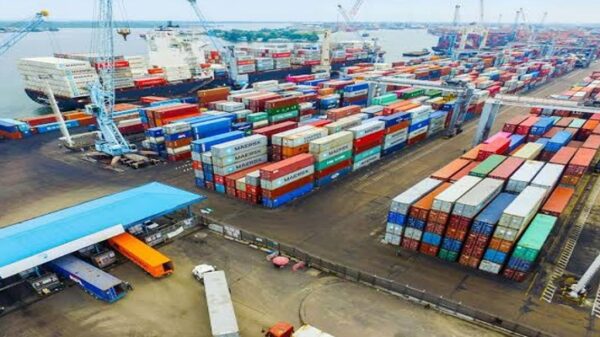
China is the region’s largest single country trading partner, as it buys one-fifth of the region’s exports — metals, minerals, and fuel —and provides most of the manufactured goods and machinery imported in the region, the IMF highlighted.
The IMF revealed this in a post titled, ‘China’s Slowing Economy Will Hit Sub-Saharan Africa’s Growth.’
It said, “However, China’s recovery from the pandemic has slowed recently due to a property downturn and flagging demand for its manufactured goods as global growth has also slowed.
“This matters for Africa. A one percentage point decline in China’s growth rate could reduce average growth in the region by about 0.25 percentage points within a year, according to the latest Regional Economic Outlook. For oil-exporters, such as Angola and Nigeria, the loss could be 0.5 percentage points on average.”
It further stated that the ripple effects of China’s slowing economy extend to sovereign lending to sub-Saharan Africa, which fell below $1bn last year — the lowest level in nearly two decades. It highlighted that the cutback marks a shift away from big ticket infrastructure financing.
The IMF noted that the sub-Saharan African countries will need to adapt to China’s growth slowdown and declining economic engagements by building resilience through increased inter-African trade and by rebuilding buffers, including through tax policy reforms and improvements to revenue administration.
“The strong demand for minerals that support renewable energy development could provide an opportunity for countries to forge new trade relationships and develop more local processing capabilities. Countries can improve their competitiveness by creating a favorable business environment, investing in infrastructure, and deepening domestic financial markets.”