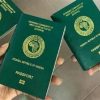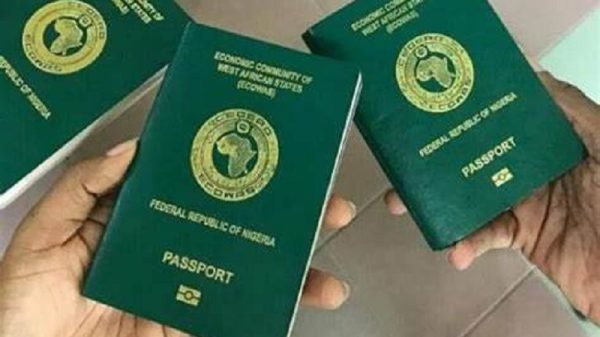






















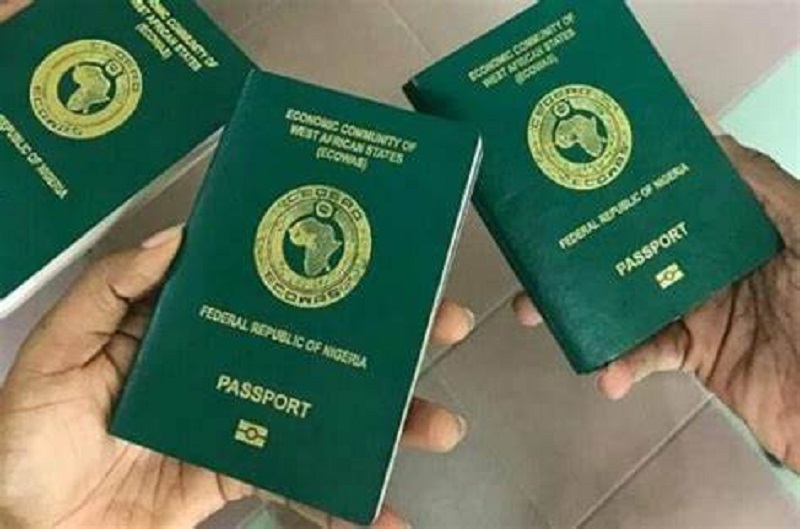
The Nigeria High Commission in the United Kingdom has reduced the administrative fee for its ongoing passport intervention exercise from £70 to £20 following protests and scrutiny over the additional charge imposed on applicants.
The reduction took effect on Wednesday, September 9, with the new £20 fee published on the High Commission’s website. However, applicants were not separately informed about the change.
The development followed reports that the mission had imposed an additional £70 administrative charge when the passport intervention exercise began on Monday.
The charge had drawn criticism because of an earlier directive issued during the administration of former President Muhammadu Buhari, which instructed Nigerian diplomatic missions not to charge more than £20 for making their premises available for similar passport intervention exercises.
The High Commission was reportedly charging the £70 fee without approval from the Ministry of Foreign Affairs, while applicants seeking to replace lost passports were required to pay £150.
Nigerians seeking expedited passport renewals had booked appointments through the High Commission’s online portal, where the applicable charges were displayed at the time of booking.
Officials familiar with the exercise said payments had been collected from about 3,000 applicants, despite the High Commission reportedly having the capacity to process fewer than 300 people daily.
Fee Reduction Draws Further Questions
The newly introduced £20 intervention fee remains separate from the £20 administrative charge stipulated under the previous directive.
Officials involved in the exercise alleged that the additional payment had been introduced to facilitate the intervention programme and generate revenue.
The controversy has also attracted the attention of the Minister of Interior, Olubunmi Tunji-Ojo, who earlier expressed concern over the difficulties Nigerians encountered during the exercise.
Tunji-Ojo also said the administrative fees reportedly demanded by officials were not required, adding that consultations were ongoing with the Ministry of Foreign Affairs to address the challenges surrounding the programme.
The fee reduction followed protests by Nigerians over the cost of the exercise and difficulties experienced by applicants.
On Tuesday, September 8, the High Commission announced that biometric capturing in London had been suspended amid the ongoing challenges.
The latest reduction brings the intervention charge closer to the £20 limit contained in the earlier government directive, although questions remain over the separate fees previously imposed on applicants.