





















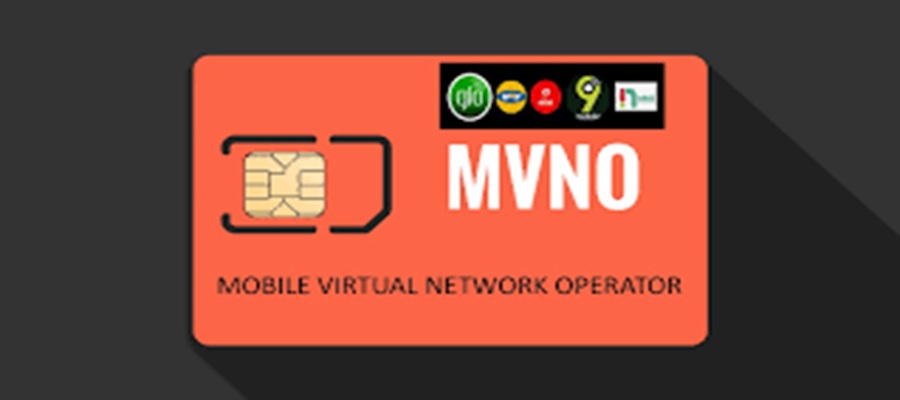
Nigerian Communications Commission (NCC) has released draft business rules for Mobile Virtual Network Operators (MVNOs) as part of efforts to strengthen competition and expand access within Nigeria’s telecommunications sector.

NCC
The commission announced that the proposed “Business Rules for Mobile Virtual Network Operations in Nigeria” had been opened for industry-wide consultation.
According to the NCC, stakeholders are expected to submit comments on the draft guidelines on or before June 29, while a public consultation session has been scheduled for July 9.
The commission said the proposed framework outlines the operational responsibilities and obligations of both MVNOs and Host Network Operators (HNOs).
It added that the rules also provide guidelines covering licensing conditions, interconnection arrangements, compliance obligations, numbering resources, SIM and eSIM management, as well as network hosting agreements.
The NCC said the framework is designed to ensure fair access to telecom infrastructure and reduce delays associated with integrating MVNOs into existing mobile networks.
The draft rules also contain provisions relating to quality of service, customer protection, network reliability, cybersecurity, and data protection.
According to the regulator, operators found violating the guidelines could face administrative sanctions and corrective actions in line with existing telecommunications regulations.
Nigeria formally introduced the MVNO licensing regime in 2023, when the NCC issued licenses to 25 operators for a combined value of 5.9 billion naira.
Since then, about 40 MVNO licenses have reportedly been granted, with some operators already commencing commercial operations.
The commission said MVNOs are expected to improve competition in the telecom industry and help extend services to underserved and unserved communities across the country.
Latest industry data released by the NCC showed that Nigeria recorded 185.7 million mobile subscribers and 153.8 million internet subscribers as of March 2026.
Despite the growth, the government estimates that nearly 20 million Nigerians still remain outside the country’s digital ecosystem.
Industry reports have also identified high service costs and inconsistent network quality as key challenges affecting wider digital inclusion in Nigeria.