































The Association of Telecommunications Companies of Nigeria, ATCON, has rejected the Federal Government’s plan to reintroduce a five percent excise duty on the telecommunications sector, warning that the move could significantly burden the industry.
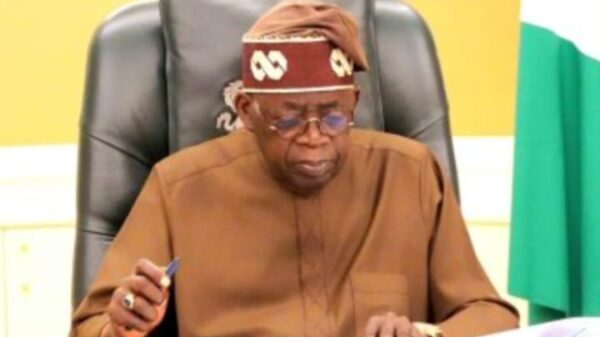
On July 6, 2023, President Bola Tinubu signed four executive orders, including one suspending the 5 percent excise tax on telecommunication services. This move was intended to alleviate the negative impact of tax hikes on businesses and households.
But leaders of the Presidential Tax Reform Committee had hinted in Abuja last week that the proposed Nigeria Tax Bill 2024 now before the National Assembly for legislative approvals has provided for excise duty on telecommunications services, along with other services like gaming, betting, and lotteries.
According to the bill, the excisable amount will be based on the service provider’s monetary or otherwise charges.
Rejecting this proposed policy summersault, ATCON yesterday, cautioned that the new tax would likely lead to higher costs for consumers while stifling growth in a sector vital to Nigeria’s digital economy.
ATCON President, Tony Emoekpere, also expressed concern over the proposal’s timing, which comes amid ongoing economic challenges.
He stated: “We had received assurances from the former minister that this issue was settled. It’s alarming to see it re-emerge now, especially as the industry has been pushing for a tariff increase to cope with rising operational costs. Instead, we are now faced with a price hike that brings no benefit to the industry.”
Emoekpere revealed that ATCON intends to engage the Ministry of Communications to address the sudden reappearance of the excise duty proposal.
“The previous minister had successfully shelved this idea, so it’s surprising to see it come up again. We will reach out to the ministry to understand why this proposal is resurfacing and push to prevent its implementation,” he added.
Beyond rejecting the excise duty, Emoekpere called on the federal government to prioritize supporting the telecom sector, which plays a critical role in the nation’s economy. He emphasized that the government should focus on reducing the high operational costs in the sector, rather than imposing additional taxes.
“One of our biggest challenges is the heavy reliance on diesel to power telecom infrastructure. With the recent liberalization of the foreign exchange market, diesel costs have skyrocketed. Currency fluctuations directly impact the cost of petroleum products, placing a tremendous financial strain on the industry,” Emoekpere explained.
To address these challenges, Emoekpere urged the government to provide tax relief or incentives and to promote local production of key telecom inputs.
“If the government is unwilling to allow tariff increases, they should at least offer tax breaks or support for local production. Additional excise duties will only exacerbate the challenges facing an already strained industry,” he stressed.