
















Presidency has denied reports the electricity tariffs is about to be increased by 65%.
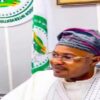
The Special Adviser to President Tinubu on Energy on Monday, February 3, said the Federal Government remains focused on stabilising the power sector and protecting vulnerable citizens from undue cost burdens.
“It has become necessary to clarify media reports suggesting an imminent 65 percent increase in electricity tariffs.
“This is a misrepresentation of what I actually said in a recent press interview,” Verheijen stated.
She explained that current electricity tariffs now cover about 65 percent of the actual cost of supply, following the increase in Band A tariffs in 2024, with the Federal Government continuing to subsidise the difference.
“While the government is committed to ensuring fairer pricing over the long term, the immediate focus is on taking decisive action to deliver more electricity to Nigerians, ensure fewer outages, and guarantee the protection of the poorest and most vulnerable Nigerians.”
As part of its strategy, the government outlined key priorities for reforming the power sector, focusing on metering, targeted subsidies, debt resolution, and alternative power generation.
Verheijen highlighted that one of the most significant steps being taken is the Presidential Metering Initiative (PMI), which will see the nationwide rollout of 7 million prepaid meters starting this year.
She stated that this move will put an end to estimated billing, a controversial practice that has long left Nigerian households paying arbitrary amounts for electricity.
The rollout of smart meters is expected to enhance transparency in billing, give consumers confidence in what they are paying for, and improve revenue collection across the power sector.
“Metering will attract the investments needed to strengthen Nigeria’s power infrastructure,” Verheijen said.
Another key reform is the shift towards targeted electricity subsidies, ensuring that support is directed to low-income households rather than benefiting wealthier Nigerians.
She mentioned that it currently spends over N200 billion per month on electricity subsidies, much of which benefits the richest 25 percent of Nigerians.