




















Central Bank of Nigeria (CBN) has announced that the country’s foreign exchange reserves have surged to a five-year high of $43.4 billion, despite recent efforts to clear FX backlogs and stabilise the naira.
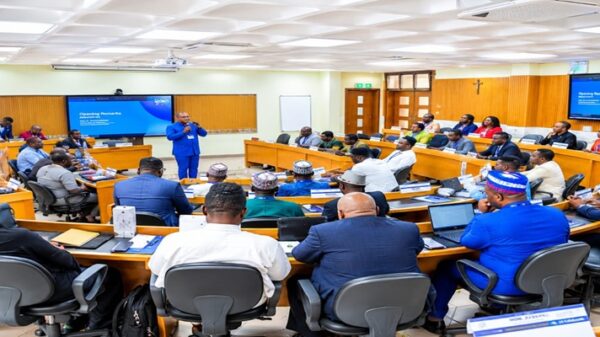
The disclosure was made by the CBN Deputy Governor for Economic Policy, Mr. Mohammed Abdullahi, during the Nigeria Investors Forum held on the sidelines of the IMF–World Bank Annual Meetings in Washington, D.C.
“Our gross reserves are at a five-year high of $43.4 billion as of October 10, enough to cover 11 months of imports,” Abdullahi said. “This growth comes after clearing FX backlogs and improving liquidity across the market.”
Read Also: CBN Assumes Full Control of Nigeria’s Fixed Income Market in Major Reform Push
He noted that the naira has remained stable, with the exchange rate premium between the official and parallel markets narrowing to less than 3 percent, compared to over 50 percent in 2022.
Abdullahi also revealed that inflation has declined to 18.02 percent — the lowest in three years — while capital inflows and remittances have continued to strengthen Nigeria’s balance of payments.
He reaffirmed the CBN’s commitment to orthodox monetary policy, transparency in FX management, and close coordination with fiscal authorities to sustain macroeconomic stability.
Also speaking at the forum, CBN Governor Mr. Olayemi Cardoso said the increase in external reserves reflects renewed investor confidence and the positive impact of ongoing economic reforms.
“The rise in external reserves reflects the cumulative effect of fiscal and monetary coordination, improved FX flows, and renewed trust in Nigeria’s policy direction,” Cardoso said.
Read Also: Naira abuse is driving up printing costs – CBN warns
He added that the CBN and the Ministry of Finance have been working “hand in hand” to stabilise macroeconomic indicators, rebuild buffers, and restore transparency in monetary policy.
Cardoso concluded that sound macroeconomic management is beginning to yield tangible results, noting that “there’s a strong correlation between disciplined economic management, growth, and disinflation.”