




























Federal Government has unveiled bold reforms to scrap the Junior Secondary School Common Entrance Examination and launch a nationwide Learner Identification Number (LIN) system to track every student’s academic journey.

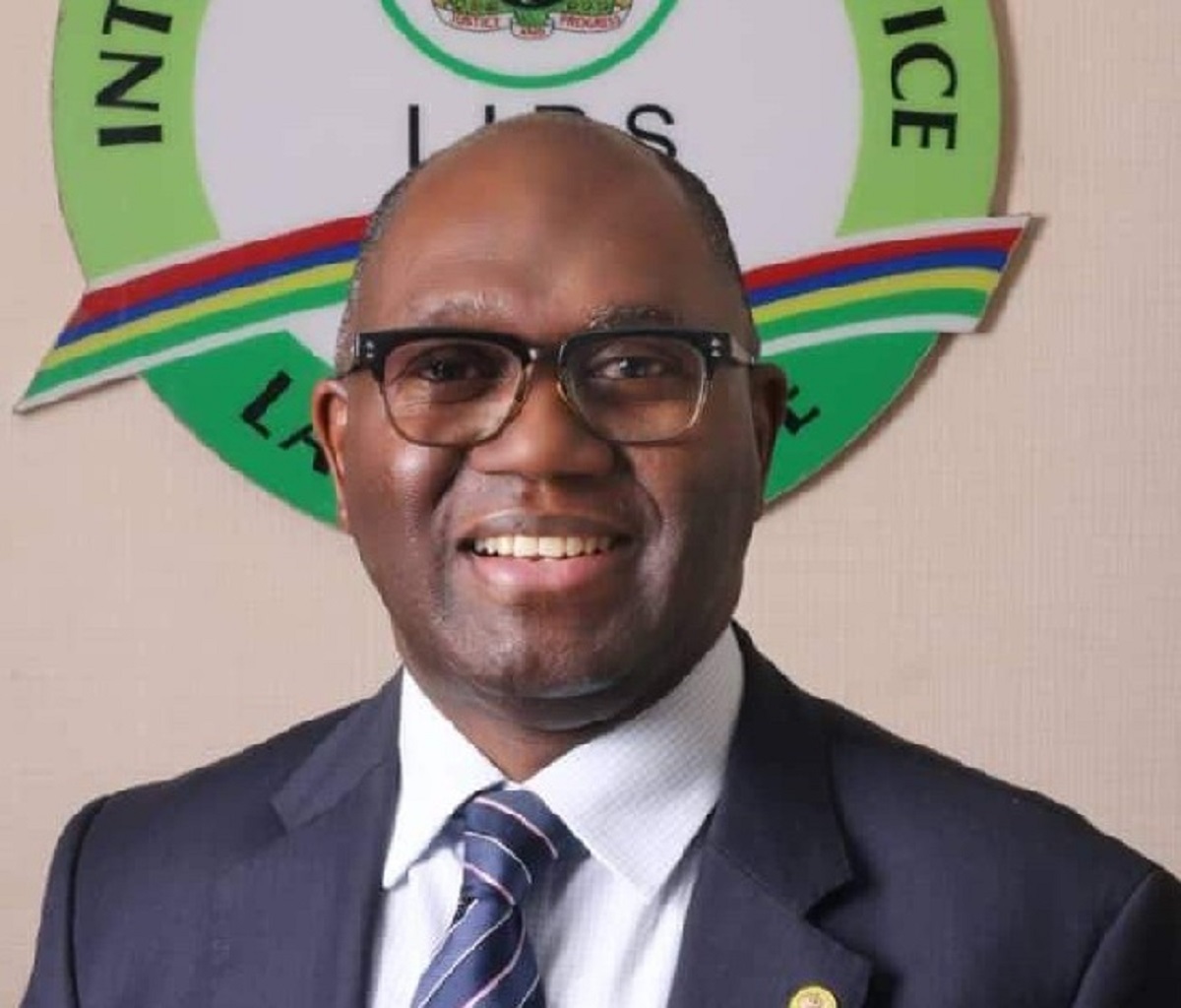
Education Minister Tunji Alausa
Education Minister Tunji Alausa announced the changes during a media interactive session in Lagos, stressing that the moves will boost access to education and plug massive gaps in pupil transitions. “We can’t keep losing millions of children between primary and secondary school,” Alausa declared.
The Common Entrance Exam will give way to a Continuous Assessment (CA) model, capturing a pupil’s performance from primary level. Records will seamlessly follow students—even during school transfers—ensuring no child slips through the cracks.
Government figures paint a stark picture: Nigeria boasts over 50,000 public primary schools serving more than 23 million pupils, yet fewer than 3 million make it to public junior secondary schools. Private institutions can’t bridge this chasm, Alausa noted, urging states to ramp up secondary school construction.
The LIN, assigned from primary school onward, will act as a lifelong academic passport. It enables real-time tracking: if a child expected in JSS1 vanishes from records, officials can swiftly investigate dropouts and intervene.
Complementing these steps, the FG plans to resuscitate the school feeding programme under the Education Ministry’s direct oversight for better accountability, enrolment, and retention.
These reforms signal a determined push to fortify Nigeria’s education framework, slash dropouts, and guarantee basic education for all