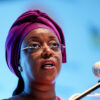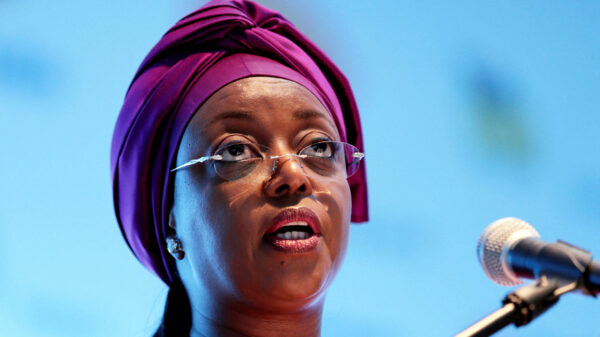
















United Nations Special Rapporteur on Freedom of Religion or Belief, Ms Nazila Ghanea, has expressed concern over the state of religious freedom in Nigeria, saying widespread insecurity, violence and impunity are undermining the rights of citizens across the country.
Ghanea stated this in Abuja while presenting her preliminary findings at the end of an 11-day official visit to Nigeria.
The UN envoy, who visited the country from June 8 to June 19, met with government officials, security agencies, judicial officers, religious leaders, civil society organisations, victims of violence and members of the diplomatic community.
According to her, discussions on freedom of religion or belief during the visit were dominated by concerns over insecurity and conflict affecting communities nationwide.
“Discussion of freedom of religion or belief in Nigeria elicits very acute concerns about insecurity, violence and conflict which has spread throughout the country and has generated huge alarm,” she said.
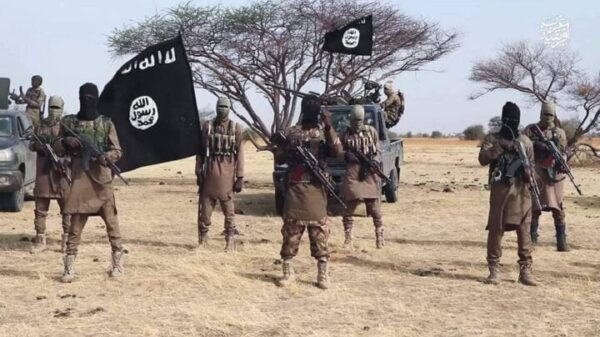
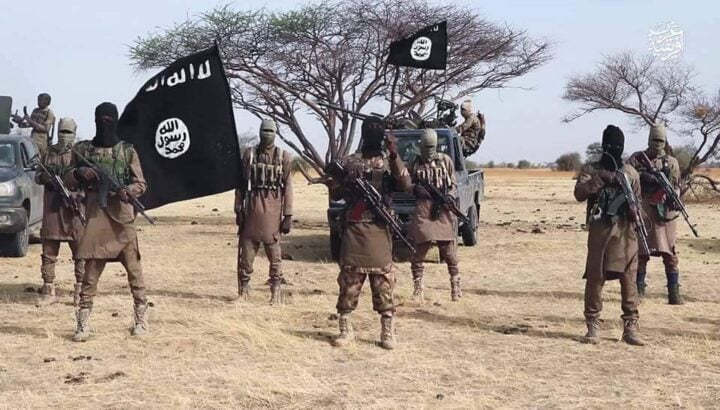
Ghanea listed terrorist attacks, gang violence, banditry, land grabbing, mass displacement, armed conflict, cattle rustling, hostage-taking, arson attacks, destruction of places of worship and schools, large-scale kidnappings and civil unrest among the major challenges confronting communities.
She noted that a lack of accountability had fuelled recurring cycles of violence, particularly in rural communities where victims repeatedly suffered attacks without seeing justice served.
According to her, some communities reported being compelled to enter so-called peace agreements with bandits, including surrendering farmlands and other resources in exchange for safety.
The rapporteur also expressed concern over attacks on schools and the abduction of children, describing them as serious violations of the rights of young Nigerians.
“What remains uncontested is that, at the village and hamlet levels in particular concentrations of the country, scores of innocent people experience killings, mass violence and the total decimation of their livelihoods, time and again, witnessing little or no justice,” she said.
Ghanea cautioned against viewing Nigeria solely through the lens of a Muslim North and Christian South, arguing that such narratives oversimplify the country’s religious and cultural diversity.
She observed that the inclusion of religion on administrative forms reinforces faith as a dominant organising principle in society and creates opportunities for political manipulation.
“The existence of the religion field in such forms reinforces religion as a predominant organising principle of Nigerian society which, in turn, makes it highly susceptible to religion being ‘played’ for power, politics and wealth,” she said.
The UN expert also raised concerns over allegations of discrimination against religious minorities and non-religious individuals, noting that security challenges had often overshadowed discussions around marginalisation and unequal treatment.
She said stakeholders alleged the existence of systematic discrimination against Christians in parts of northern Nigeria, as well as restrictions affecting Muslims in some southern areas.
Ghanea called for an end to religious profiling and urged authorities to guarantee equal rights and protections for all Nigerians, irrespective of their faith or beliefs.
She further questioned the compatibility of blasphemy laws in some northern states with constitutional guarantees of freedom of thought, conscience and religion.
Referring to the April 2025 judgment of the ECOWAS Court of Justice on Kano State’s blasphemy laws, she noted that some officials had challenged the binding nature of the ruling.
Ghanea disclosed that a comprehensive report containing her findings and recommendations would be submitted to the UN Human Rights Council in March 2027.
Despite the challenges identified, she commended the resilience of Nigerian civil society organisations, victims of violence and young people.
“There is no doubt that Nigeria has the expertise, experts and committed, inspirational youth to secure freedom of thought, conscience and religion for all on an equal basis.
“There is also no doubt that there is a long way to go until that is fully realised,” she said.
NAN reports that Ghanea’s visit comes months after the administration of U.S. President Donald Trump redesignated Nigeria as a Country of Particular Concern (CPC) over allegations of persecution of Christians in parts of the country.
The Nigerian Government has rejected the claims, maintaining that citizens of different faiths coexist peacefully and that the country’s security challenges are driven by terrorism, banditry and other criminal activities rather than religious persecution.