
























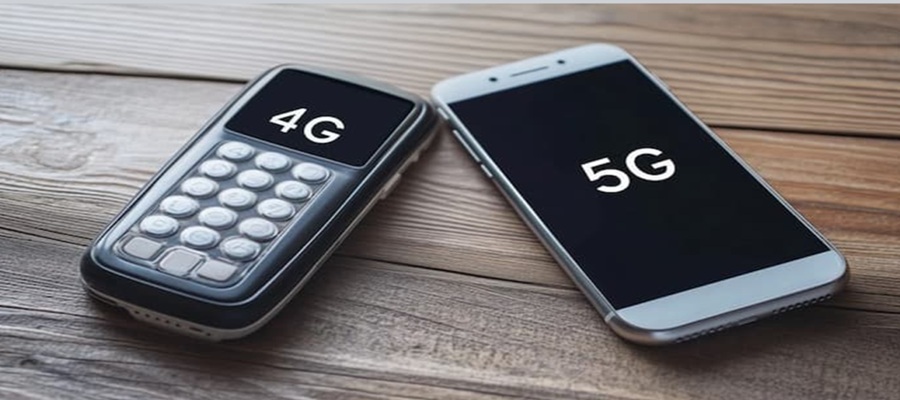
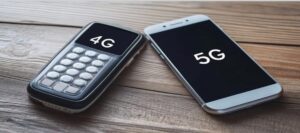
Nigeria’s broadband landscape remains anchored by 4G LTE at 52.95% market share in December 2025, with 2G holding steady at 37.37%, while 5G penetration crawls at just 3.77%, per Nigerian Communications Commission (NCC) data.
NCC
4G’s dominance stems from urban smartphone migrations and MTN-Airtel infrastructure expansions, fuelling the digital economy, as 2G persists in rural areas due to feature phone reliance and a stubborn device gap.
5G growth stalls from high smartphone costs amid inflation, telco preference for 4G’s quicker returns over capital-heavy 5G rollouts, and limited mainstream apps beyond elite urban streaming in Lagos and Abuja.
Broadband subscriptions topped 112 million, lifting penetration to 51.97%—up from 42.2% in October 2024—crossing the halfway mark for the first time, though monthly gains of 2-3 million slowed mid-year amid population growth and regional disparities.
The NCC’s 70% target stays elusive, highlighting sustained urban-rural demand but underscoring needs for affordable devices, infrastructure, and use cases to accelerate high-speed access nationwide.