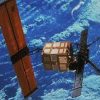




























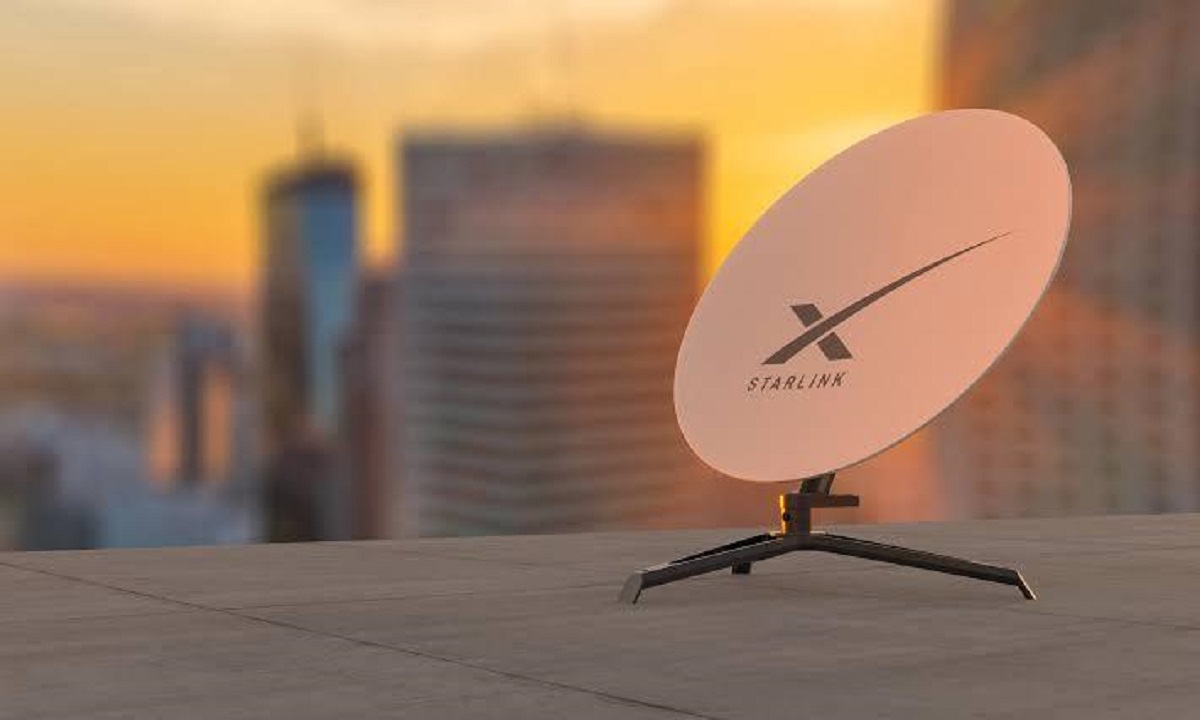
Elon Musk’s Starlink has announced its next-generation Mobile V2 satellites, set to deliver full cellular coverage, including 5G speeds, directly to unmodified smartphones from anywhere on Earth.

Starlink
In a statement on its website, SpaceX said the V2 satellites, powered by custom silicon and advanced phased-array antennas, will create the highest-performing satellite-to-mobile network yet.
These satellites support thousands of spatial beams, offering about 20 times more throughput than first-generation models and enabling high-speed activities like video streaming, calls, podcasts, and remote work.
The technology promises seamless 5G connectivity comparable to terrestrial networks in most environments, integrating with telecom operators’ infrastructure for uninterrupted switching between satellite and ground-based signals.
Starlink’s move aligns with Nigeria’s drive to bridge connectivity gaps, especially in rural, riverine, and border areas.
The Nigerian Communications Commission (NCC) last year highlighted Direct-to-Device (D2D) satellite services in its draft Spectrum Roadmap (2025–2030) as a game-changer for expanding voice and data access without new towers.
NCC noted D2D could transform signal blackspots, enhance network resilience during outages, and support emergencies. Starlink’s service, unlike dish-based broadband, uses existing mobile spectrum for direct smartphone links.
Starlink is partnering with mobile operators rather than selling directly to consumers. In Africa, Airtel Africa secured a deal last year to deploy Direct-to-Cell across 14 markets, including Nigeria, letting customers connect seamlessly in coverage voids.
MTN Group is also negotiating with Starlink and others to reach underserved zones. Analysts see this as cost-effective for operators facing high tower-build costs in remote terrains.
The V2 rollout could accelerate Nigeria’s digital inclusion goals, potentially transforming remote work, education, and emergency response amid persistent urban-rural divides.