




























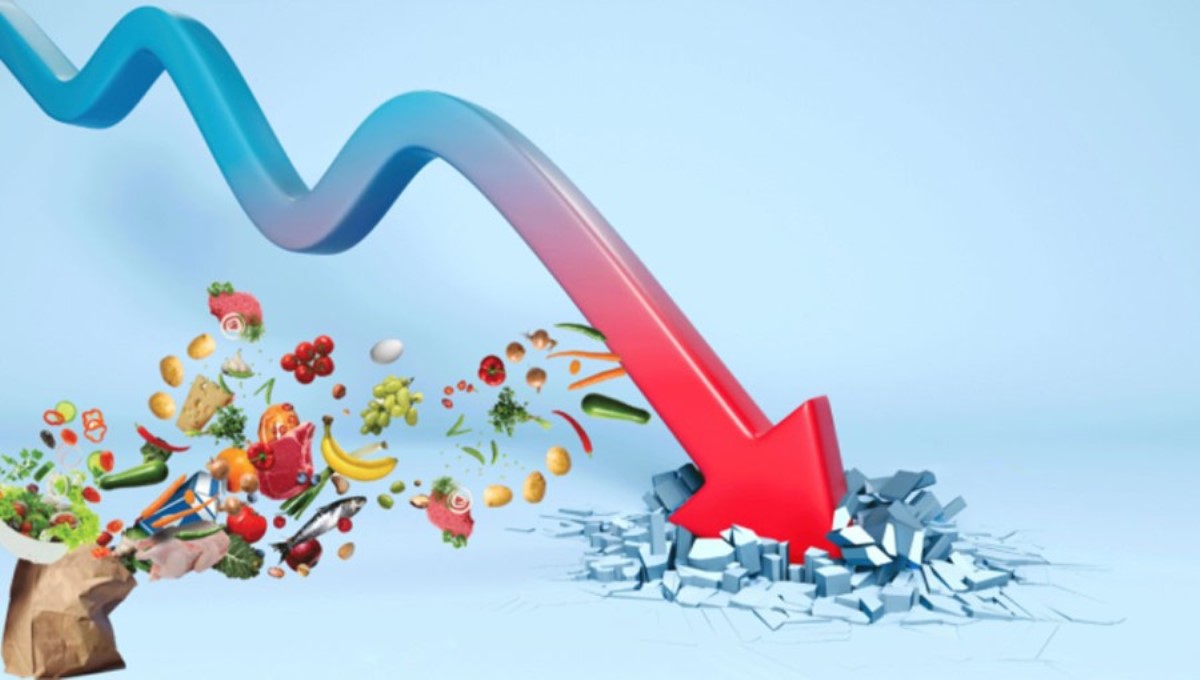
Nigeria’s headline inflation rate dipped slightly to 15.06 percent in February 2026, down 0.04 points from January’s 15.10 percent, according to the National Bureau of Statistics (NBS).
The figure marks a sharp 11.21 percentage point drop from 26.27 percent in February 2025. Food inflation fell to 12.12 percent year-on-year from 26.98 percent last year, while core inflation eased to 15.88 percent from 25.66 percent.
Despite the annual slowdown, month-on-month inflation rose to 2.01 percent from January’s 2.88 percent. Food prices surged 4.69 percent within the month, driven by beans, cassava, yam flour, and crayfish. The Consumer Price Index climbed 2.6 points to 130.0.
Urban inflation stood at 15.53 percent year-on-year (down from 28.49 percent) with a 2.55 percent monthly rise. Rural inflation was 13.93 percent annually (from 22.73 percent) but edged up 0.71 percent monthly.
Food and non-alcoholic beverages contributed 6.03 points to headline inflation, followed by housing, transport, and restaurants. Core inflation rose 0.89 percent monthly, reversing prior declines.
Policymakers at the Central Bank of Nigeria will monitor these trends closely.