



























PricewaterhouseCoopers (PwC), global professional services network, has reported that Nigerians lost about N12.5 billion from 2019 to 2023, through escalating digital fraud schemes.
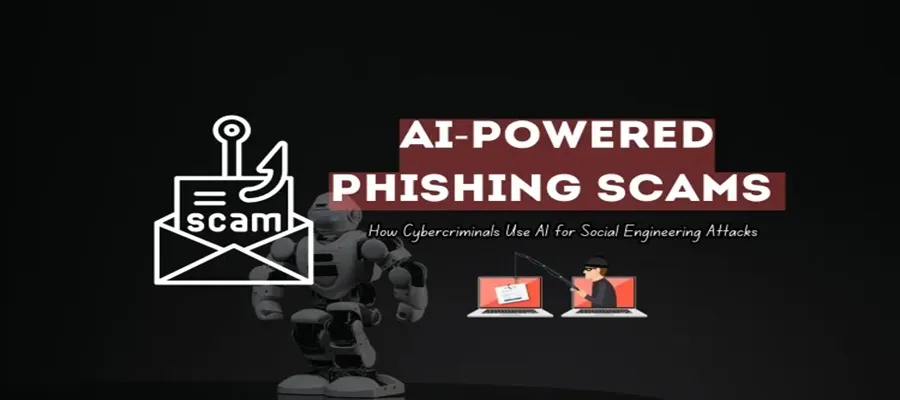
AI-driven scams leverage artificial intelligence to create highly personalized and convincing fraudulent schemes, such as deepfake audio/video impersonations, automated phishing, and fake investment bots.
Globally, telecom fraud losses reached more than $38.95 billion during the same period, PwC said in its report titled “AI’s Dual Role in Telecom Fraud.”
The firm highlighted the dual nature of Artificial Intelligence (AI) in the telecom sector, warning that the technology is changing how fraud operates.
“AI has tremendous potential to drive positive change across sectors, but it also enables fraudsters to create and disseminate scams quickly and at scale,” PwC said in the report.
The report shows that telecom operators are no longer just communication providers but also critical infrastructure supporting digital banking and payments.
This shift has increased exposure to fraud. PwC noted that in Nigeria, 59 percent of e-banking customers have experienced scams, suggesting that telecom networks, which support mobile banking alerts, authentication messages, and digital payment links, are becoming attractive targets for criminals.
As telecom networks connect more closely with banks and fintech companies, fraud incidents in one sector can quickly spread to another, leading to regulatory scrutiny and loss of customer trust.
This growing overlap is creating a new risk layer in Africa’s digital economy, where mobile devices are often the main gateway to financial services.
PwC identified several common telecom fraud methods affecting operators and users, including SIM box fraud, SMS phishing, SIM swap fraud, subscription fraud, scam calls, and international revenue share fraud.
The report noted that AI could make these attacks even more sophisticated.
Criminal groups can now use AI tools to automate scam campaigns, generate convincing messages, and even create deepfake voices or identity impersonations to trick victims.
The firm warned that these capabilities could allow fraud schemes to spread across networks quickly, increasing financial losses if telecom companies fail to strengthen defenses.
Globally, the telecom, media, and technology sector already experiences the highest level of fraud, according to PwC’s 2022 Global Crime Survey. N
early two-thirds of companies in the sector reported fraud incidents, with about half involving cybercrime.
Despite the risks, PwC said telecom operators have a strong advantage in combating fraud because of the large amount of network and customer data they control.
By using AI and machine learning tools, companies can analyse network behaviour in real time and detect suspicious patterns early.
AI systems, for example, can identify unusual call patterns, abnormal message traffic, or activities occurring at odd hours that may signal fraudulent activity.
Some telecom operators have already introduced AI-powered spam detection tools that analyse hundreds of behavioural indicators before determining whether a message or call is likely to be fraudulent. According to PwC, real-time analysis could allow telecom companies to block scams before they cause significant financial losses.
However, PwC stressed that technology alone is not enough to tackle the problem.
The firm called for stronger collaboration between telecom operators, banks, and regulators to address fraud risks across the digital ecosystem.
“AI has tremendous potential to drive positive change across sectors, but it also enables fraudsters to create and disseminate scams quickly and at scale,” the report reiterated.
With millions of Nigerians relying on mobile networks for banking, payments, and identity verification, telecom companies are becoming frontline defenders against digital fraud.
PwC said a deeper understanding of how technology is changing fraud risks will be crucial for telecom operators seeking to protect customers and maintain trust in the country’s digital infrastructure.