
























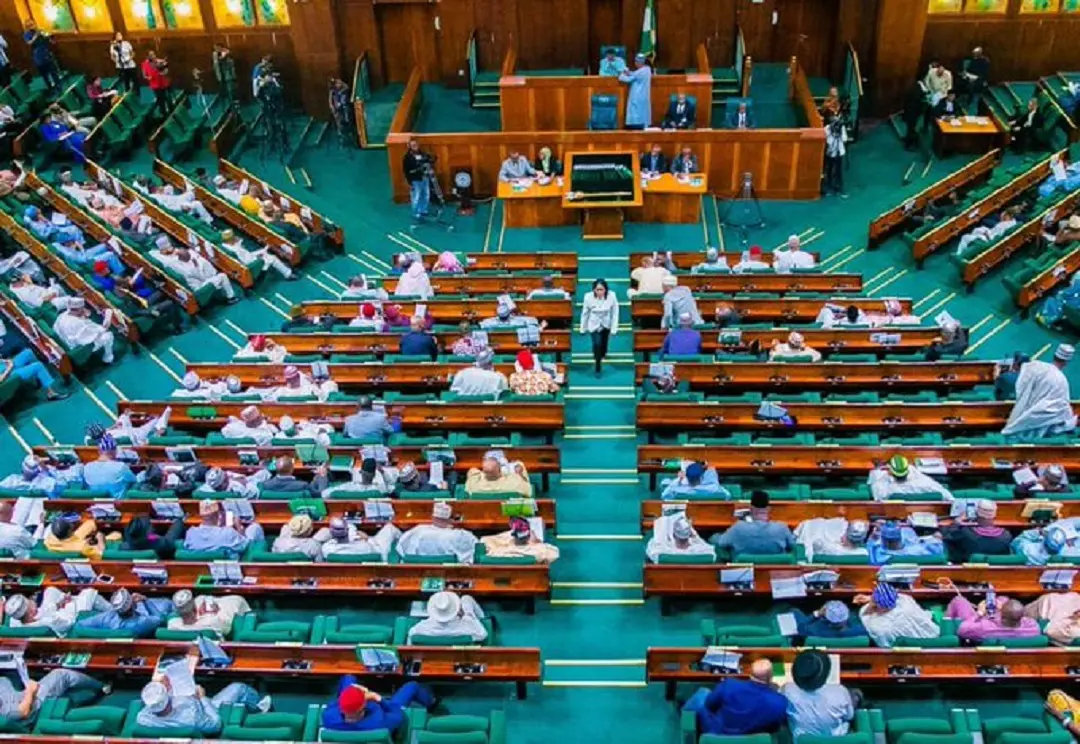
House of Representatives is pushing to regulate Nigeria’s fintech sector through a public hearing on “A Bill for an Act to Establish the Nigerian Fintech Regulatory Commission and for Related Matters (HB.2389).”
Speaker Tajudeen Abbas opened the hearing, stressing the need for stakeholder inputs to craft enforceable, constitutional laws addressing regulatory overlaps in digital banking, science, technology, and communications.
Abbas highlighted fintech’s role in Nigeria’s growth via digital payments, blockchain, crowdfunding, and financial inclusion for the unbanked, creating jobs and supporting SMEs under President Tinubu’s Renewed Hope Agenda.
He warned that lagging regulations cause fragmentation, compliance issues, and investor uncertainty, necessitating a coordinating commission for licensing, supervision, standards, and a level playing field without duplicating bodies like the Central Bank of Nigeria (CBN), SEC, NITDA, or NDIC.
The commission would protect consumers, monitor cybersecurity, ensure data privacy, and promote education while complementing existing regulators.
Committee Chairman Emmanuel Ukpong-Udo, overseeing digital banking, banking regulations, science, technology, communications, capital markets, and institutions, called the bill vital for harmonizing oversight amid Nigeria’s rise as Africa’s fintech hub with 430+ firms valued at billions.
Ukpong-Udo emphasized balancing innovation, stability, and coordination to avoid burdens on startups.
Bill sponsor Fuad Kayode Laguda argued the commission would streamline operations currently split among CBN, SEC, NITDA, NOTAP, and FIRS, boosting profitability, user security, and ease of business. He cited 2024-2026 stats: 250-430 firms, $230 billion market projection, $10.6 billion valuation for top nine, and $1.6 billion in mobile transactions.
Fintech stakeholders offered mixed views, with some backing unified regulation and others fearing overlaps with current mandates.