




























Federal Government and MTN Nigeria have called for stronger financial literacy, youth entrepreneurship and local content development to translate Nigeria’s improving economic indicators into sustainable growth.
The call was made on Thursday, November 19, at the National Growth and Development Forum held at Merit House, Maitama, Abuja.
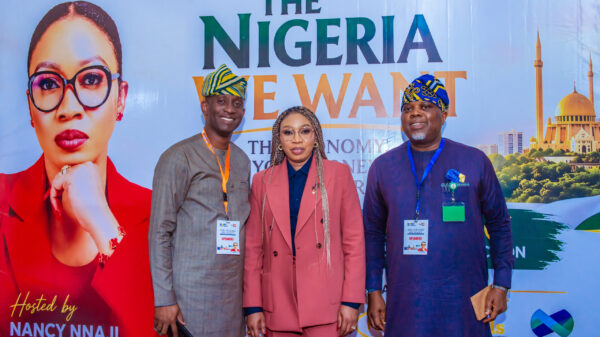
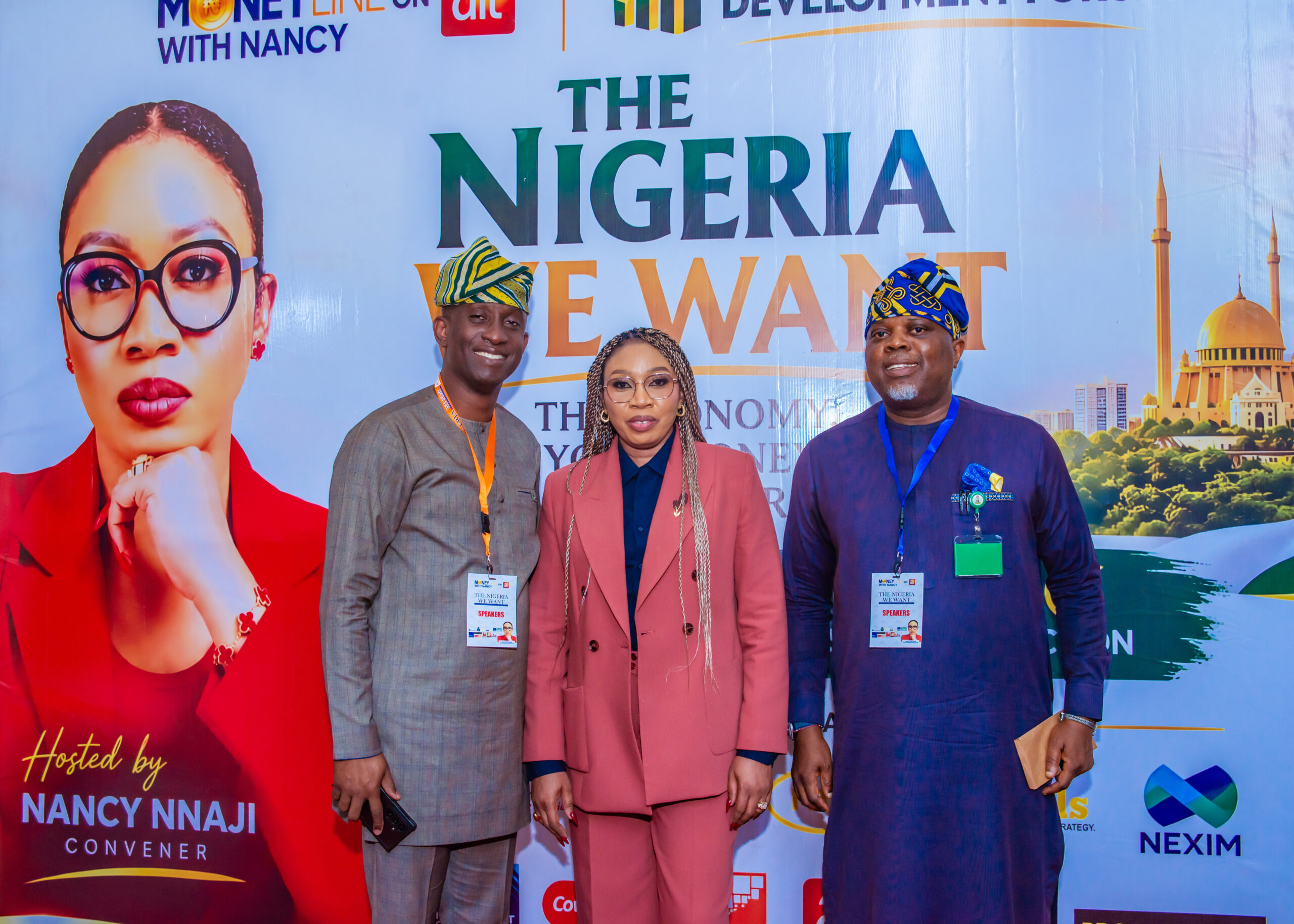
The forum, convened by Moneyline with Nancy Nnaji, host of the programme on African Independent Television (AIT), brought together key stakeholders to examine Nigeria’s economic direction, household finances and opportunities for sustainable growth.
The discussions also explored how Nigerians could manage their finances and contribute to the country’s economic development.
Speaking at the event, Tope Fasua, Special Adviser to President Bola Ahmed Tinubu on Economic Affairs, said Nigeria had moved past the most difficult phase of its economic reforms, which began in 2023. Citing GDP growth of 4.43 per cent in the second quarter of 2026 and inflation easing to 14.06 per cent in October, he said the gains must translate into improved living standards through productivity, investment and responsible financial management.
He urged young Nigerians to look beyond the country’s challenges and recognise opportunities within its economy, saying, “Nigeria is not short of opportunity. We are sometimes short of the confidence, information, imagination, and determination to develop Nigeria.”
Building on the need to recognise and develop local opportunities, Kolapo Olaleye, General Manager, Financial Planning at MTN Nigeria, said local content must create lasting Nigerian businesses, skills and ownership, rather than focus solely on procurement figures.
Reflecting on MTN’s 25 years of operations in the country, he said the company’s contribution should also be measured by the enterprises and livelihoods supported by its telecommunications infrastructure.
“Local content is not simply what we buy; it is actually what we build. The real measure is not the invoice that came with the contract, but the capability that remains in the economy after the invoice has been paid,” he said.
Olaleye disclosed that MTN Nigeria spent over ₦2.7 trillion with Nigerian suppliers in 2025, increasing its local procurement share from 59.6 per cent in 2024 to 62 per cent in 2025, with plans to raise it further.
He also highlighted the company’s wider economic contributions, including over ₦7 trillion in taxes and statutory payments over 25 years, more than ₦1 trillion infrastructure investment in 2025 and a workforce comprising over 99 per cent Nigerians.
Following its 2019 listing on the Nigerian Exchange, MTN has also expanded local ownership to 346,000 Nigerian shareholders.
He added that the value of MTN’s network extended beyond connectivity to the businesses and services built on its infrastructure.
As of June 30, 2026, the company had recorded 92.2 million mobile subscriber connections, 55.7 million daily active data users and approximately 43,000 kilometres of deployed fibre.
Olaleye said, “Our biggest contribution to Nigeria is not the network that we built for Nigeria. It’s what Nigerians have been able to build because that network exists.”
He also cited examples of Nigerian businesses that had partnered with MTN and grown through commercial opportunities presented, and now competitively thriving locally and internationally.
Looking ahead, Olaleye urged Nigerian businesses and young technology innovators to explore opportunities in artificial intelligence, cloud infrastructure, local data centres, 5G, cybersecurity and homegrown intellectual property.
He stressed that local content should maintain high quality and governance standards while helping Nigerian companies compete beyond the domestic market. “Nigeria needs to move from being a market for technology to becoming a producer of technology for Africa and the rest of the world,” he said.
Speakers also highlighted the importance of financial literacy in helping Nigerians make informed decisions about saving, investing and wealth creation, particularly as new opportunities emerge within the economy and capital markets.