



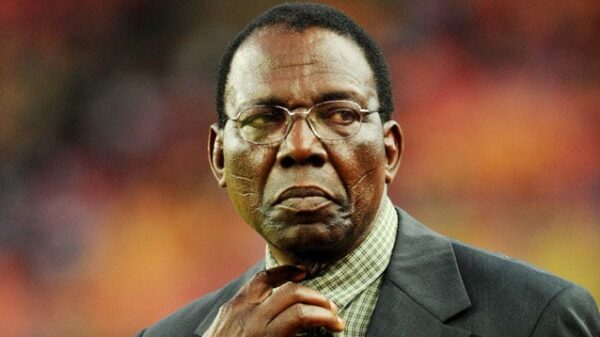





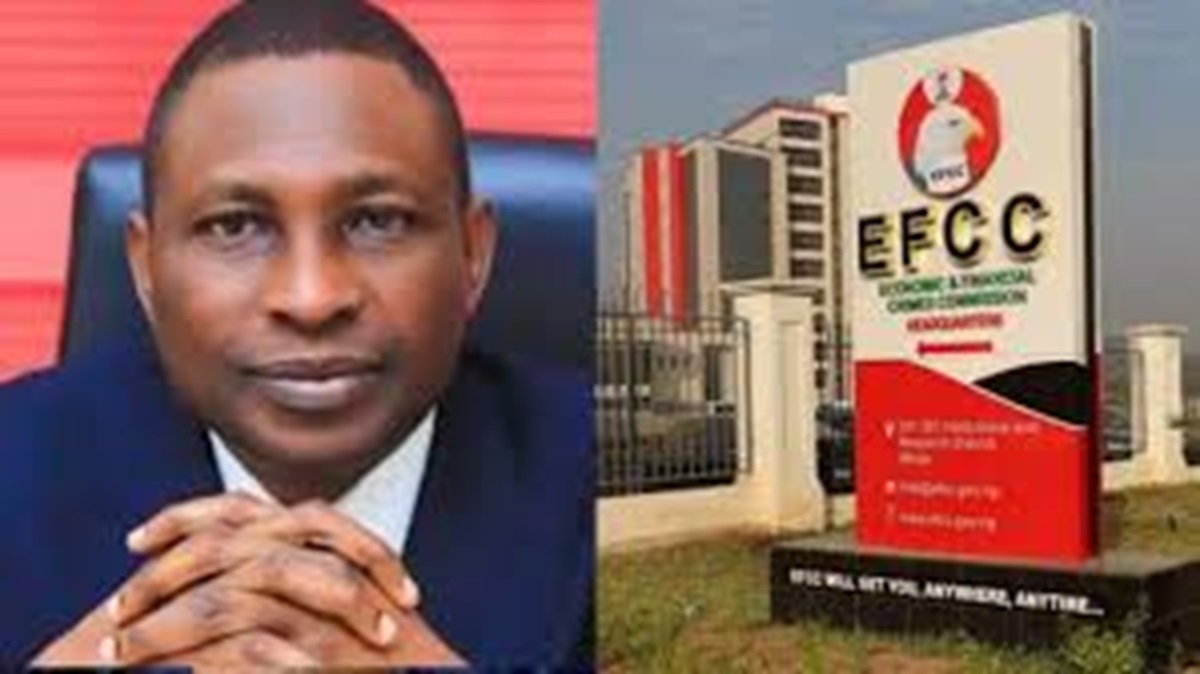
Economic and Financial Crimes Commission (EFCC) will on Wednesday, April 1, 2026, re-arraign former Jigawa State Governor Sule Lamido before Justice Peter Odo Lifu at the Federal High Court, Maitama, Abuja, to commence his revived trial on an alleged N1.3 billion fraud.
Lamido faces the charges alongside his sons, Aminu Lamido and Mustapha Lamido, as well as their companies, Bamaina Holdings Ltd and Speeds International Ltd, accused of collecting kickbacks and benefiting from fictitious contract awards during his 2007-2015 governorship.
The fresh arraignment follows the defendants’ failure to appear in court today, Friday, March 13—the original date—prompting Justice Lifu to adjourn the matter.
Defence counsel Joe Agi, SAN, apologised for their absence, attributing it to short notice of the arraignment date, and undertook to produce them on April 1.
Prosecution counsel Chile Okoroma, SAN, contested this, insisting the defendants received proper and timely service, expressing dismay at the no-show.
The EFCC first charged the defendants in 2015 before Justice Ijeoma Ojukwu on a 27-count indictment covering money laundering, official corruption, and abuse of office totalling N1.3 billion.
After prosecution closed its case following 17 witnesses, the defendants filed a no-case submission, which Justice Ojukwu dismissed in November 2022, ordering them to defend themselves.
Instead of complying, they appealed. In July 2023, the Court of Appeal upheld their no-case submission, discharged them, and ruled the Abuja court lacked jurisdiction since the alleged offences occurred in Jigawa State.
The EFCC escalated the matter to the Supreme Court in August 2023, seeking to overturn the appellate decision.
On January 16, 2026, a five-member Supreme Court panel, led by Justice Abubakar Umar, unanimously set aside the Court of Appeal’s ruling in a landmark judgment, holding that the defendants have a case to answer and remitting the matter to the Federal High Court for trial continuation.
During Friday’s proceedings, Okoroma requested that Justice Ojukwu—now transferred to Calabar—be recalled to Abuja to conclude the trial. Justice Lifu described this as an administrative matter for the Chief Judge, Justice John Tsoho, to determine.
The protracted legal battle, spanning over a decade, underscores persistent challenges in high-profile corruption prosecutions, jurisdictional disputes, and appellate interventions in Nigeria’s anti-graft architecture.
All eyes now turn to April 1, when the substantive trial resumes before Justice Lifu, with potential implications for political accountability and EFCC prosecutorial momentum ahead of future electoral cycles.