
























Engr. Gbenga Adebayo, Chairman of the Association of Licensed Telecommunications Operations of Nigeria (ALTON), has called for collective responsibility among telecommunications operators, regulators, government and other stakeholders to improve Nigeria’s network quality, stressing that the challenge requires collaboration rather than the apportionment of blame, RaveNewsOnline reports.
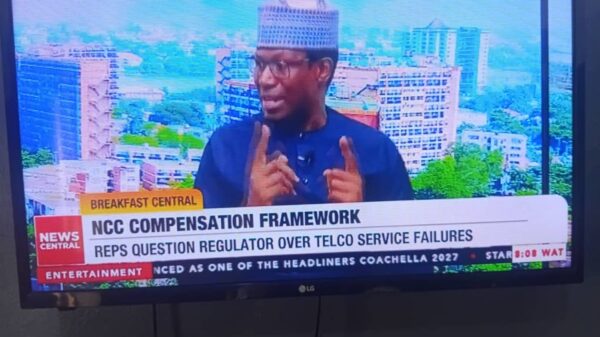
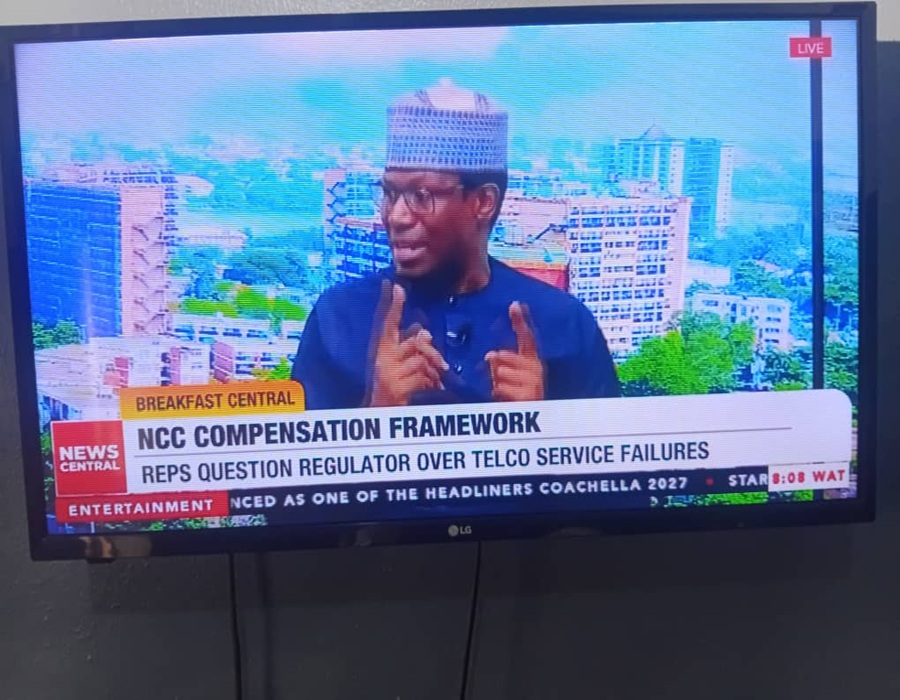
Adebayo, who made the position known during an interview on News Central Television Thursday morning, said sustainable improvements in service quality would require stakeholders to address the structural and operational challenges confronting the telecommunications industry.
He identified inadequate electricity supply, vandalism of telecommunications infrastructure and restrictions on operators’ access to network facilities as some of the major factors affecting service delivery across the country.
According to him, telecommunications operators in Nigeria shoulder much of the responsibility for keeping their networks running, often under difficult operating conditions.
“In Nigeria, telecommunications operators largely take responsibility for sustaining their networks,” he said, explaining that the industry faces significant challenges in maintaining infrastructure and ensuring uninterrupted services.
Adebayo’s comments come amid concerns raised by the Senate over the quality of telecommunications services and growing public dissatisfaction with network performance.
He acknowledged the concerns about service quality but argued that operators should not be held solely responsible for challenges that are influenced by factors beyond their direct control.
On the disagreement between operators and the Senate, including the legal action instituted by ALTON and its members at the Federal High Court, Adebayo explained that the association’s position was informed by the need to protect the interests of its members within the framework of the law.
He also emphasised the importance of the Nigerian Communications Commission (NCC) in resolving industry-related issues, noting that the regulator has a responsibility to ensure a balanced operating environment while protecting consumers and supporting sustainable investment.
“You cannot achieve sustainable improvements in network quality through command and control,” he said, stressing that constructive engagement and cooperation among stakeholders would produce better results than directives or blame.
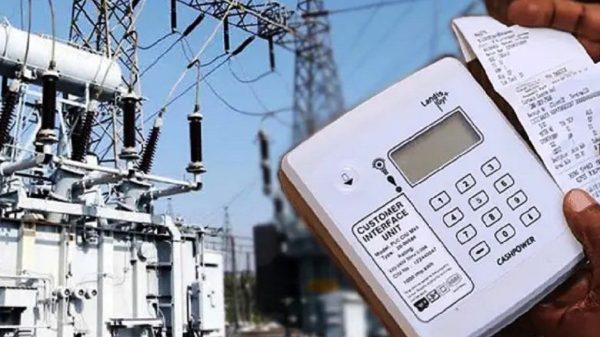
The ALTON chairman further identified the high cost of powering telecommunications infrastructure as a major burden on operators. He said the unreliable electricity supply has compelled operators to invest heavily in alternative power sources, including diesel-powered generators and solar systems.
He also drew attention to the vandalism and theft of telecommunications equipment, including diesel and solar installations at network sites, describing such incidents as additional costs that undermine service delivery.
On complaints by subscribers about rapid data depletion, Adebayo explained that data consumption is influenced by several factors, including the applications being used, device settings and the quality and nature of online activities, noting that subscribers’ data usage patterns and the increasing demand for data-intensive services should also be considered when assessing complaints.
Addressing concerns about investment in the sector, he said telecommunications operators had continued to commit resources to network expansion and service improvement, particularly following the tariff adjustment approved in January 2025.
He explained that the adjustment was necessary to help operators respond to rising operational costs and sustain investment in network infrastructure.
Adebayo also highlighted Nigerians’ growing dependence on mobile data for work, education, communication and entertainment, noting that the country’s reliance on mobile networks makes sustained investment in telecommunications infrastructure increasingly important.
He disclosed that the country has approximately 50,000 telecommunications sites supporting network services, adding that expanding and maintaining such infrastructure requires substantial capital and operational expenditure.
On infrastructure sharing, the ALTON chairman said collaboration among operators and infrastructure companies remained important in reducing duplication, managing costs and improving network coverage.
He referenced infrastructure providers such as IHS Towers, American Tower and Pan African Towers as part of the ecosystem supporting telecommunications infrastructure deployment.
He also addressed the licensing of new entrants into the sector, noting the need for a regulatory framework that encourages competition while ensuring that operators can make the investments required to provide quality services.
On the impact of major road construction projects, particularly the Lagos-Calabar Coastal Road, Adebayo highlighted the need for effective coordination between telecommunications operators and relevant authorities to protect existing network infrastructure and avoid disruptions to services.
He maintained that improving telecommunications service quality requires a shared commitment from all stakeholders, including government agencies, regulators, infrastructure providers and subscribers.
For the ALTON chairman, the way forward lies not in assigning blame but in creating an enabling environment where operators can invest, maintain infrastructure and deliver better services to Nigerians.