



























Central Bank of Nigeria (CBN) has launched simple new rules to make mobile money transfers and online banking safer and give ordinary Nigerians more say over their cash.
The changes aim to stop fraud in our fast-growing digital money world. A notice dated March 12, signed by Musa Jimoh, says the rules start on July 1 for all banks and payment apps in Nigeria.
Customers can now choose if they want instant payments turned on or off on their accounts—anytime they like. Banks must let people say yes or no with strong security checks called Multi-Factor Authentication (MFA), like passwords plus phone codes.
New customers start with it on, but can switch it off easily. If off, online transfers stop right away, but you can go to the bank branch to send money the old way.
People can also change their daily spending limits, up to ₦25 million for personal accounts or ₦250 million for businesses—but only after the bank checks risks. Changes happen fast after customer okay via MFA. CBN wants banks to use big computer systems to watch for funny money moves, like sudden big inflows or outflows that might mean thieves.
For safety, opening or waking up online accounts needs “liveness checks.” This means you prove you’re real-time alive by blinking, smiling, talking, or turning your head on camera—matched to your Bank Verification Number (BVN) and National ID. Mobile apps lock to one phone or device at a time. No using the same app on two gadgets together. Switching phones? Full check again.
New mobile apps or new devices get tiny limits for the first 24 hours—just ₦20,000 in or out—to test for tricks. Internet banking from a new gadget also needs extra MFA steps first time.
CBN says these are basic must-dos to protect users, catch crooks faster, and let people control their money better.
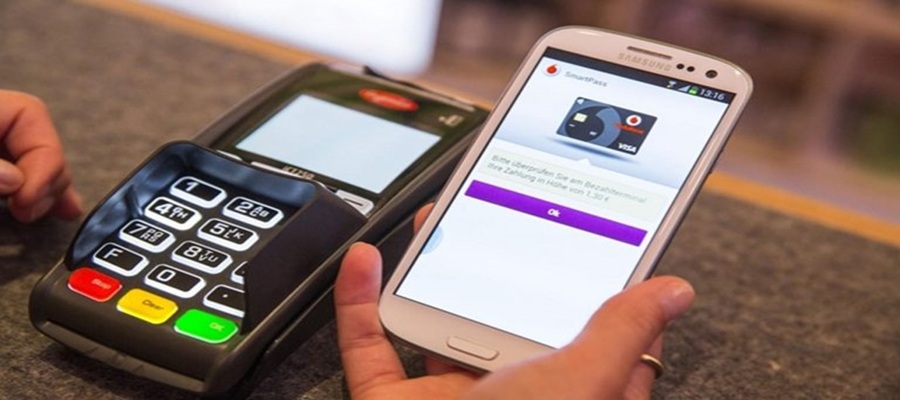
The rules come as more Nigerians use phones for quick transfers via apps like Opay, Palmpay, and bank wallets—saving time but facing scams.
CBN balances this growth with tough safety to build trust. Banks must follow or face fines, helping everyday workers, traders, and families bank without fear.