






























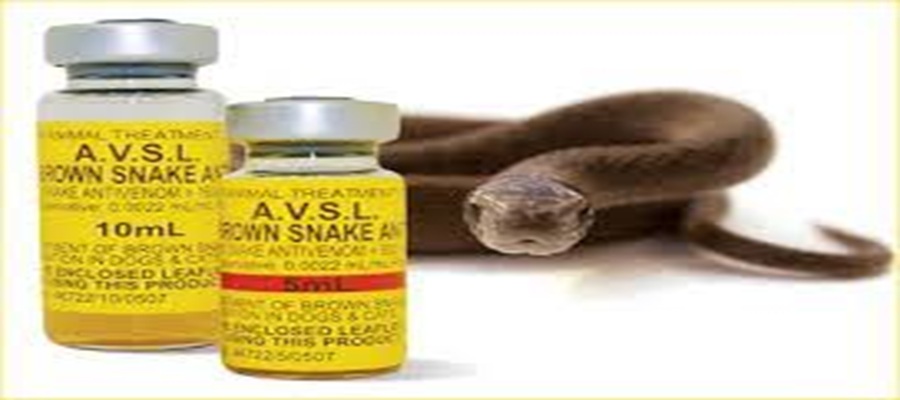
Anti-snake venom remains critically scarce across Nigeria and much of the world, with a single vial now fetching up to N250,000, forcing impoverished rural patients to sell farmlands and possessions for a slim shot at survival, the Medical Director of Gombe State’s Snakebite Hospital and Research Centre has revealed.
Anti-Snake Venom
Dr. Nicholas Amani of the Kaltungo facility, speaking to Punch newspaper amid grief over aspiring singer Ifunanya Nwangene’s recent death from a snakebite in her Abuja apartment, decried the dire shortage afflicting even specialised hospitals despite global recognition of snakebite as a neglected tropical disease.
“The truth is that anti-snake venom is a scarce commodity all around the world. The reason is that snake bite mainly affects the less privileged, farmers, and rural dwellers — people who do not really have a voice,” Amani explained, noting the issue dominates every international conference he attends.
“Everywhere we attend conferences and international meetings, it is the same issue, scarcity, scarcity. Ultimately, there are no free anti-snake venoms available. Most of them are now being sold by pharmacy vendors,” he added, highlighting how even Kaltungo patients must scramble to private sellers for supplies absent from public stocks.
Amani clarified that specialised centres like his own currently hold zero vials on-site, with government procurement efforts underway but mired in bureaucratic pipelines despite snakebite resurfacing as a top public health scourge.
“Even in specialised hospitals, we do not actually have anti-snake venom in our facilities currently. Efforts are being made by the government to make provision… but the process is still in the pipeline,” he stressed, painting a stark reality where pharmacists and traders dictate access.
The cost barrier compounds the tragedy: “Currently, a vial of anti-snake venom costs about N250,000. Some patients require two or three vials. The people who come with snake bites are very poor. They sell their farmlands and belongings just to buy one vial. Imagine when two or three vials are needed,” Amani lamented.
Nigeria grapples with nearly half of its 29 snake species being venomous, claiming thousands yearly per World Health Organisation estimates, yet antivenom woes persist amid calls from community pharmacists for local production to slash import reliance fuelling N12 million annual spends.
Federal Medical Centre Abuja debunked shortages in Nwagene’s case, insisting polyvalent antivenom was administered promptly before neurotoxic complications proved fatal, yet Amani’s testimony underscores systemic gaps turning survivable bites into needless funerals.
As experts urge embedding snakebite into national health strategies with regional hubs and free supplies, rural Nigeria’s voiceless victims hang in the balance, their pleas drowned by scarcity’s unyielding bite.