



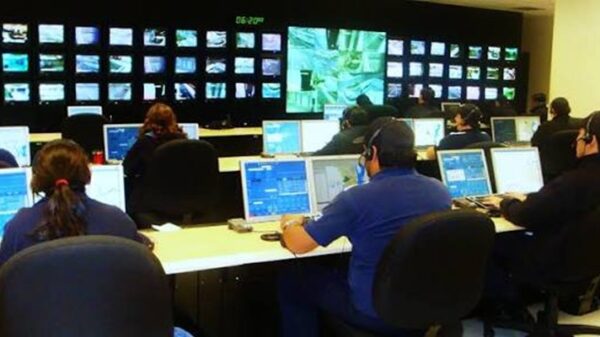







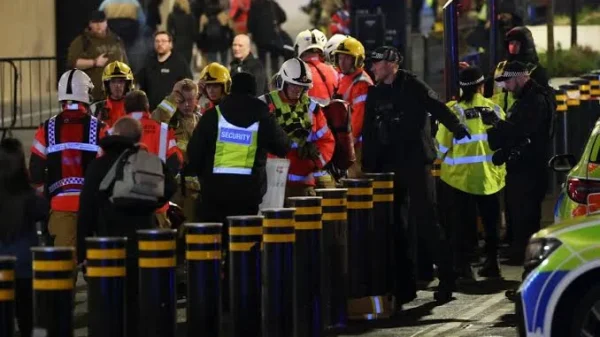















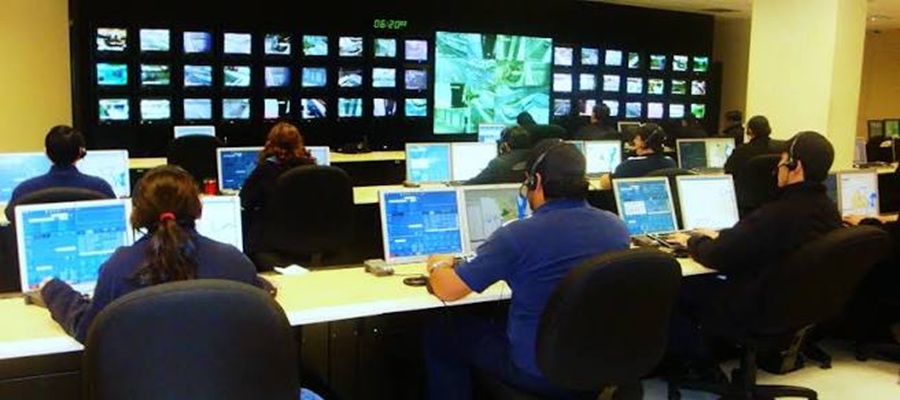
Nigeria’s emergency communication centres received nearly 58 million calls in 2025, but only 8,045 were verified as genuine emergencies requiring intervention, highlighting the scale of abuse of the country’s emergency response infrastructure.
Figures contained in the Nigerian Communications Commission’s (NCC) 2025 Annual Report and Accounts showed that the centres received 57,982,408 calls during the year.
Of this number, 57,974,363, representing 99.99 per cent, were classified as hoax, nuisance or non-emergency calls. Genuine emergencies accounted for just 0.01 per cent, or 8,045 calls.
The figures raise concerns about the pressure that unnecessary calls place on emergency communication systems and the ability of response agencies to reach people in distress.
According to the report, the high volume of fake and non-emergency calls remains a major challenge to the efficient delivery of emergency services.
An analysis of the figures shows that Nigeria’s emergency communication centres received an average of approximately 158,834 hoax and non-emergency calls daily, compared with about 22 genuine emergency calls.
That translates to roughly 6,618 non-emergency calls every hour, or more than 7,200 such calls for every verified emergency reported in 2025.
Katsina Records Highest Number of Genuine Emergencies
A geographical breakdown of verified emergency calls showed significant differences across the country.
Katsina recorded the highest number, with 1,781 genuine emergency cases, representing 22.1 per cent of the national total.
The Federal Capital Territory (FCT) followed with 992 cases, while Osun recorded 400, Jigawa 395, Akwa Ibom 357 and Edo 325.
Other states with notable figures included Zamfara with 282 cases, Nasarawa with 276, Imo with 275, Kaduna with 267 and Enugu with 254.
At the other end of the distribution, Bayelsa recorded no verified emergency calls in the report. Niger recorded two, Ekiti three and Sokoto 12.
The NCC said the emergencies reported included armed robberies, kidnappings, road accidents, fire incidents, missing persons, communal clashes and health-related emergencies.
FRSC Receives Largest Share of Emergency Cases
The report also provided a breakdown of genuine emergency cases handled by response agencies.
The Federal Road Safety Corps (FRSC) received the largest share, accounting for 38 per cent of cases.
The police and fire services each accounted for 21 per cent, while ambulance services handled 10 per cent.
The Nigeria Security and Civil Defence Corps (NSCDC) accounted for six per cent, while the National Emergency Management Agency (NEMA) received four per cent.
The distribution underscores the role of multiple agencies in responding to emergencies routed through the communication centres.
NCC Calls for Stronger Screening and Public Awareness
To address the problem, the commission called for stronger call-screening mechanisms, intensified public awareness and deterrence campaigns, as well as improved deployment of operational resources.
The NCC also disclosed that it participated in NEMA’s National Mass Fatality Response Plan programme as part of efforts to strengthen Nigeria’s preparedness for emergencies involving multiple fatalities.
The initiative forms part of broader efforts to improve coordination and resilience in the country’s emergency response system.
Nigeria’s national emergency number is 112, a toll-free line designed to connect people in distress with relevant response agencies, including the police, fire services, ambulance providers and the FRSC.
The NCC’s figures suggest that the challenge facing the system is not simply the availability of emergency communication infrastructure, but also how effectively the public uses it.
With more than 57.9 million hoax and non-emergency calls recorded in one year, the commission faces the task of improving public awareness and ensuring that genuine distress calls can reach the right responders without unnecessary delays.