


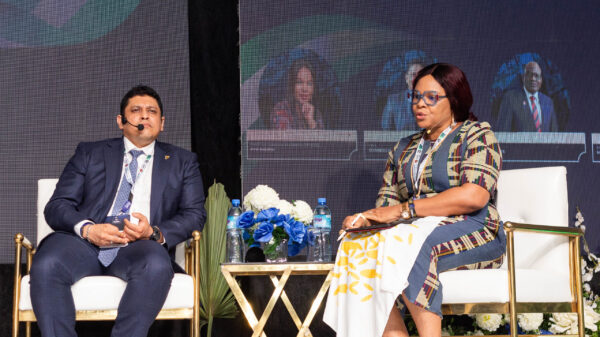






















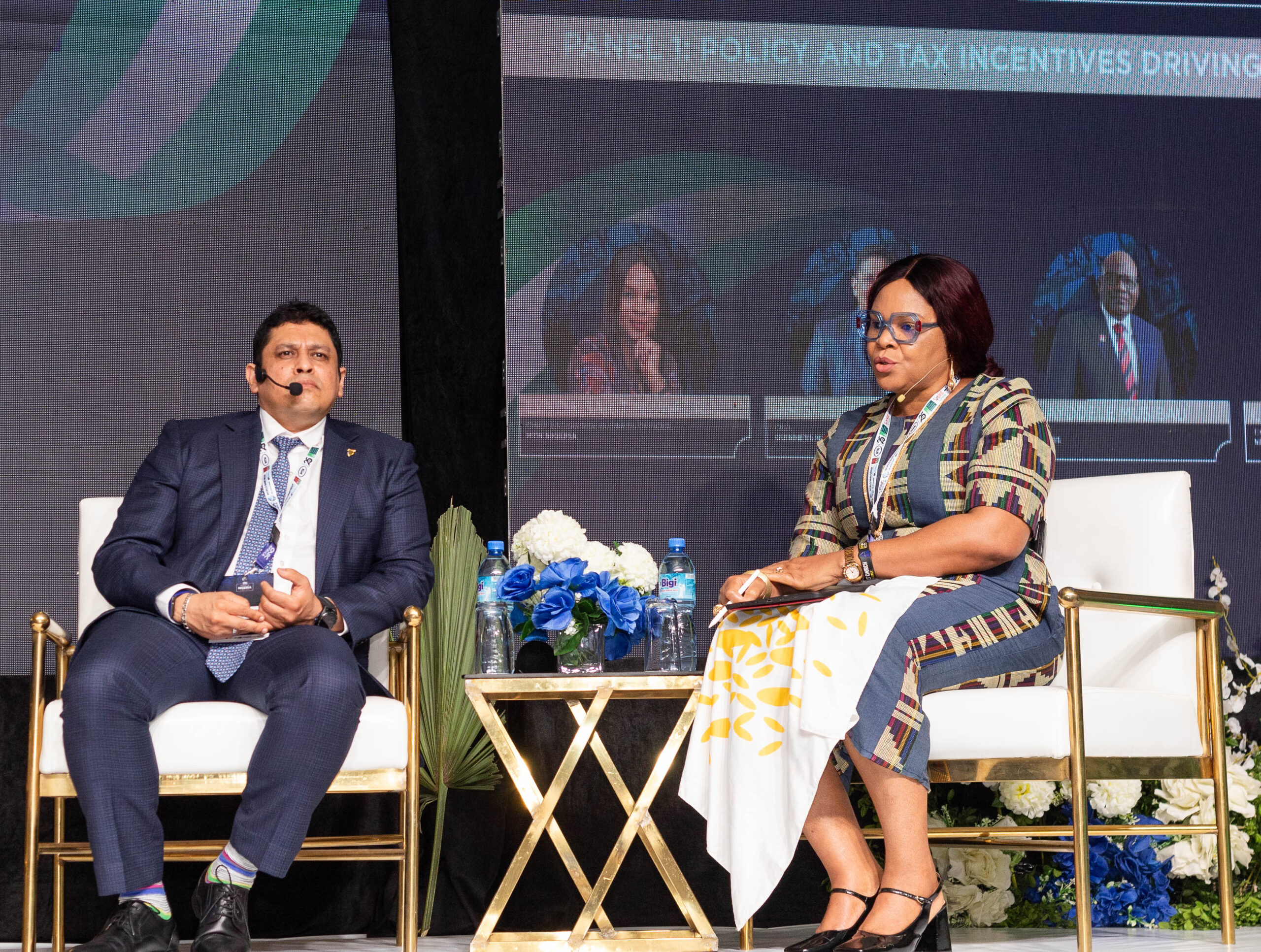
Lynda Saint-Nwafor, Chief Enterprise Business Officer of MTN Nigeria Communications Plc, on Monday called for predictable taxation, consistent regulation and stronger protection of telecommunications infrastructure to stimulate investment and expand digital connectivity across Nigeria, RaveNewsOnline reports.
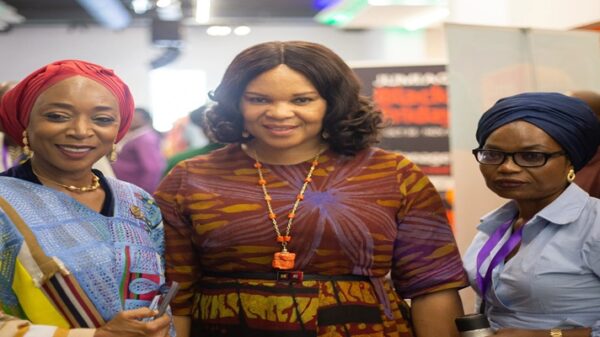
She spoke during a panel session at the CNBC Africa Invest in Nigeria Summit, held at Eko Hotel, Victoria Island, Lagos, on Monday November 23, 2026, where she explained how coordinated reforms could improve investor confidence and accelerate growth in the industry.
Saint-Nwafor said telecommunications should be treated as an enabling infrastructure supporting every major segment of the economy rather than merely another commercial sector.
“Telecommunications should not be seen as another vertical sector. It should be seen as digital infrastructure for the enablement of every vertical sector of the economy,” she said.
She noted that the industry required substantial upfront expenditure on spectrum, fibre, power systems, electronics and other physical infrastructure. According to her, a predictable tax environment would help operators plan more effectively and make long-term investment decisions.
The MTN executive added that a significant proportion of the company’s earnings in 2025 and 2026 have been reinvested in its network to increase capacity, improve customer experience and extend coverage to underserved communities.
She said recent tax reforms had helped to reduce multiple statutory charges, but maintained that more work was needed to align federal policies with implementation at state and local government levels.
Saint-Nwafor also identified disparities in infrastructure development requirements across jurisdictions as a major obstacle to network expansion.
She called for uniform rules governing telecommunications infrastructure and the effective enforcement of the designation of critical communications assets as critical national infrastructure.
“For every time a landlord denies access to communications infrastructure or somebody cuts fibre, the implications for the economy are substantial. We need to move quickly to enforce the protection of critical national infrastructure,” she stated.
The session, titled Policy and Tax Incentives Driving Nigeria’s Industrial Growth, also featured business executive and engineer, Dr. Ayodele Musibau, Chief Executive Officer, BUA Foods, Ijeoma Taylor, Executive Director & Chief Operating Officer, Nigeria Sovereign Investment Authority and Girish Sharma, Chief Operating Officer, Guinness Nigeria.
It examined how fiscal incentives, digital supply chains and collaboration between government, investors and development finance institutions could strengthen Nigeria’s industrial competitiveness.
The summit, themed “Invest in Nigeria: Unlocking Capital to Scale Growth”, was attended by policymakers, regulators, financiers and business leaders who discussed the conversion of Nigeria’s economic reforms into sustainable and broad-based growth.
Organisers said the conversations focused on attracting capital into digital infrastructure, energy, agriculture and other productive sectors while addressing the country’s infrastructure constraints.