



















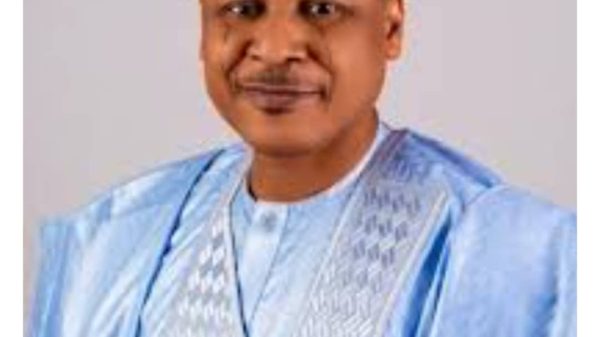






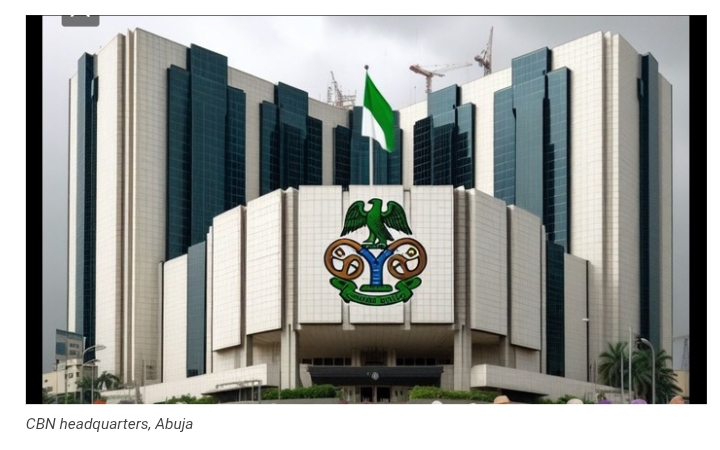
Nigeria’s external financial buffers strengthened significantly in 2025 as Olayemi Cardoso, governor of Central Bank of Nigeria (CBN), disclosed that the country’s net foreign exchange reserves reached $34.80 billion by the end of the year.
The figure represents a major increase compared with previous years, rising by $11.69 billion or 50.58 percent from $23.11 billion recorded in 2024. It also reflects a remarkable improvement of about $30.81 billion, or 772.18 percent, when compared with the $3.99 billion recorded in 2023.
Net international reserves represent reserve assets after adjusting for short-term external liabilities such as foreign exchange swaps and forward contracts. Analysts regard the metric as a more accurate indicator of a country’s ability to meet immediate external obligations.
The CBN governor stated that the 2025 reserve position surpassed Nigeria’s total gross external reserves of $33.22 billion recorded in 2023, describing it as evidence of sustained improvement in the country’s external financial strength.
Further data showed that net reserves grew from $23.11 billion in 2024 to $34.80 billion in 2025, while gross external reserves also expanded from $40.19 billion to $45.71 billion during the same period, marking an increase of $5.52 billion.
Cardoso attributed the positive performance to stronger external sector fundamentals, greater transparency in foreign exchange management, and ongoing monetary policy reforms aimed at improving investor confidence and stabilising the exchange rate market.
He added that the central bank remains committed to maintaining adequate reserve buffers to support macroeconomic stability and ensure smooth foreign exchange market operations.
In February 2026, Cardoso also told journalists that Nigeria’s gross external reserves had risen further, indicating continued growth in the country’s external financial position as economic reforms progress.