



























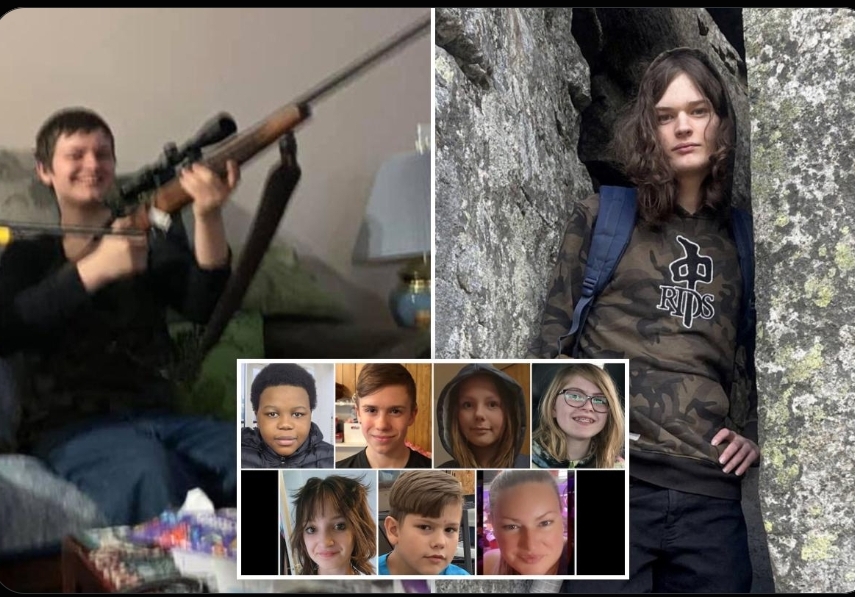
A teacher and students who survived the deadly school shooting in Tumbler Ridge, Canada, have filed lawsuits against OpenAI, alleging that the company failed to act on warning signs contained in the teenage suspect’s conversations with ChatGPT.
The lawsuits came after earlier legal actions filed by families of victims of the February shooting, which left several people dead and others injured.
According to court filings, the suspected shooter allegedly engaged in disturbing and violent conversations with ChatGPT months before the attack.
The plaintiffs alleged that OpenAI eventually deactivated one of the teenager’s accounts but failed to notify law enforcement authorities.
They further claimed that members of OpenAI’s safety team had recommended notifying authorities before the shooting.
One of the plaintiffs, teacher Deirdre Rushlow, reportedly sheltered students in her classroom during the attack and feared she would be killed.
She allegedly sent a farewell text message to her husband as gunshots were being fired through the classroom doors.
The lawsuits accuse OpenAI of creating a dangerous product that allegedly encouraged the teenager to plan and execute the attack.
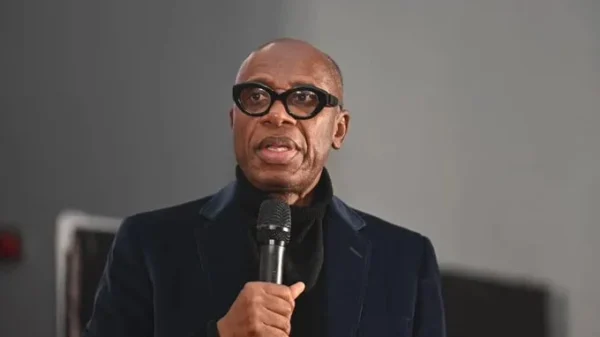
Reacting to the allegations, OpenAI Chief Strategy Officer Jason Kwon said the company worked to identify warning signs of serious violence and used a combination of automated systems and human judgment in making safety decisions.
Kwon, however, denied allegations that political or public relations considerations influenced the company’s safety decisions.
OpenAI has reportedly said it has since strengthened its safety protocols, adding that under its current policies, similar activity could be escalated to law enforcement authorities.
The lawsuits add to growing legal scrutiny of artificial intelligence platforms over allegations that chatbots can encourage or fail to prevent users from engaging in harmful behaviour.
The cases could further intensify debate over the responsibility of AI companies to detect and respond to warning signs of violence revealed through interactions between users and conversational AI systems.